Imagine a world where the environment we live in has the power to positively impact the lives of those affected by dementia. A world where every corner, scent, and sound is carefully curated to enhance their well-being and quality of life. In this blog post, we dive deep into the remarkable benefits that environmental factors bring to dementia patients. From soothing natural landscapes to specialised lighting and music therapy, discover how simple yet powerful changes can make all the difference for our loved ones battling this challenging condition. Join us on a journey where science meets compassion, as we explore ways to create an environment that not only supports but uplifts individuals with dementia.
Introduction to Dementia
Dementia is a broad term used to describe the symptoms that occur when the brain is damaged or deteriorates. Symptoms can vary greatly from person to person, and range from mild memory loss to severe impairment of cognitive function.
While there is no cure for dementia, there are treatments available that can help manage the symptoms and improve quality of life. One important treatment approach is to create an environment that is supportive of the individual’s needs and abilities.
This may include adaptations to the home, such as installing handrails or removing obstacles, as well as engaging in activities that stimulate the mind and body. Environmental factors can play a key role in enhancing quality of life for dementia patients.
Environmental Factors That Enhance Quality of Life for Dementia Patients
There are many ways to enhance the quality of life for dementia patients, and one important way is through providing a positive environment. There are several environmental factors that can have a positive impact on those with dementia, and these include:
- Proper lighting: This can help to reduce shadows and glare, which can be confusing or frightening for someone with dementia. Proper lighting also makes it easier for caregivers to provide assistance.
- Identification of exits and landmarks: Providing clear signage and other cues can help dementia patients orient themselves and feel more secure in their surroundings. We use colour coding and images around our care home to help our residents navigate their way around more easily.
- Minimising noise: Excessive noise can be overwhelming and cause anxiety for someone with dementia. Creating a calm environment can help promote relaxation. We have a quiet room in our care home, and residents can always spend time in their room if they would like some quiet time. Each room has a TV and an Alexa.
- Promoting social interaction: Dementia patients may withdraw from social interaction, but being around others can actually provide numerous benefits. Encouraging socialisation through activities or simply conversation can help improve mood and cognitive function.
These are just a few of the ways that environmental factors can enhance quality of life for those with dementia. By creating a positive and supportive environment, we can make a significant difference in the lives of those affected by this disease.
– Stimulating Activities & Social Interaction
One of the most important things you can do to enhance the quality of life for a person with dementia is to provide opportunities for stimulating activities and social interaction. There are many different ways to do this, depending on the person’s interests and abilities.
Some ideas for activities include:
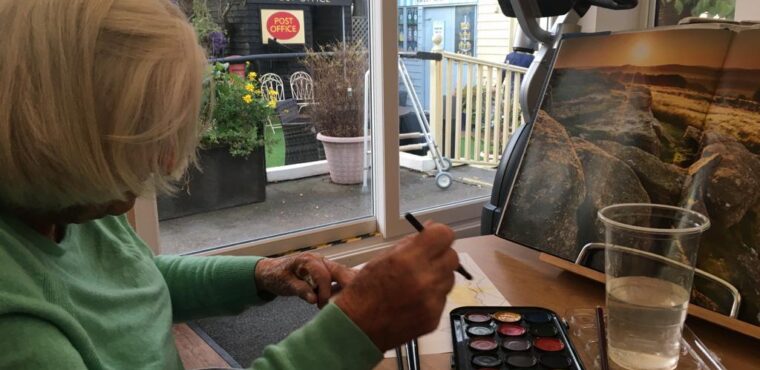
– Arts and crafts: Painting, drawing, sculpting, collage, jewellery making, etc.
– Music: Listening to music, singing, playing an instrument
– Exercise: Walking, light weights, yoga, Tai Chi
– Games: Cards, word games, memory games, puzzles
– Nature: Gardening, bird watching, walking outdoors
It’s also important to provide opportunities for social interaction. This can be done in small groups or one-on-one. Some ideas for social interaction include: conversation, sharing stories and memories, playing games together, going for walks together. It’s important to find activities that the person enjoys and that are appropriate for their abilities. If possible involve family and friends in these activities as well.
– Calming Spaces & Comforting Companionship
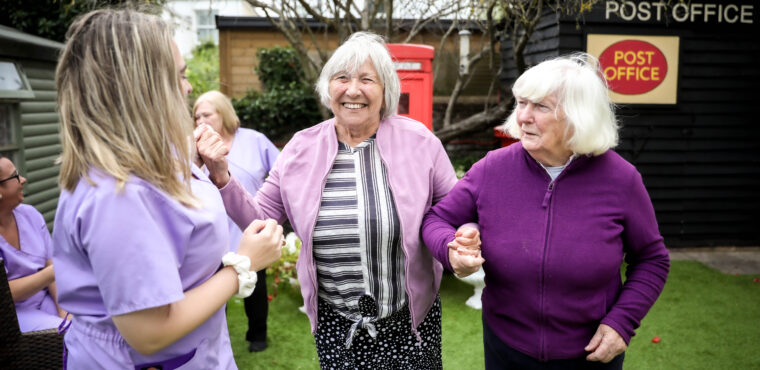
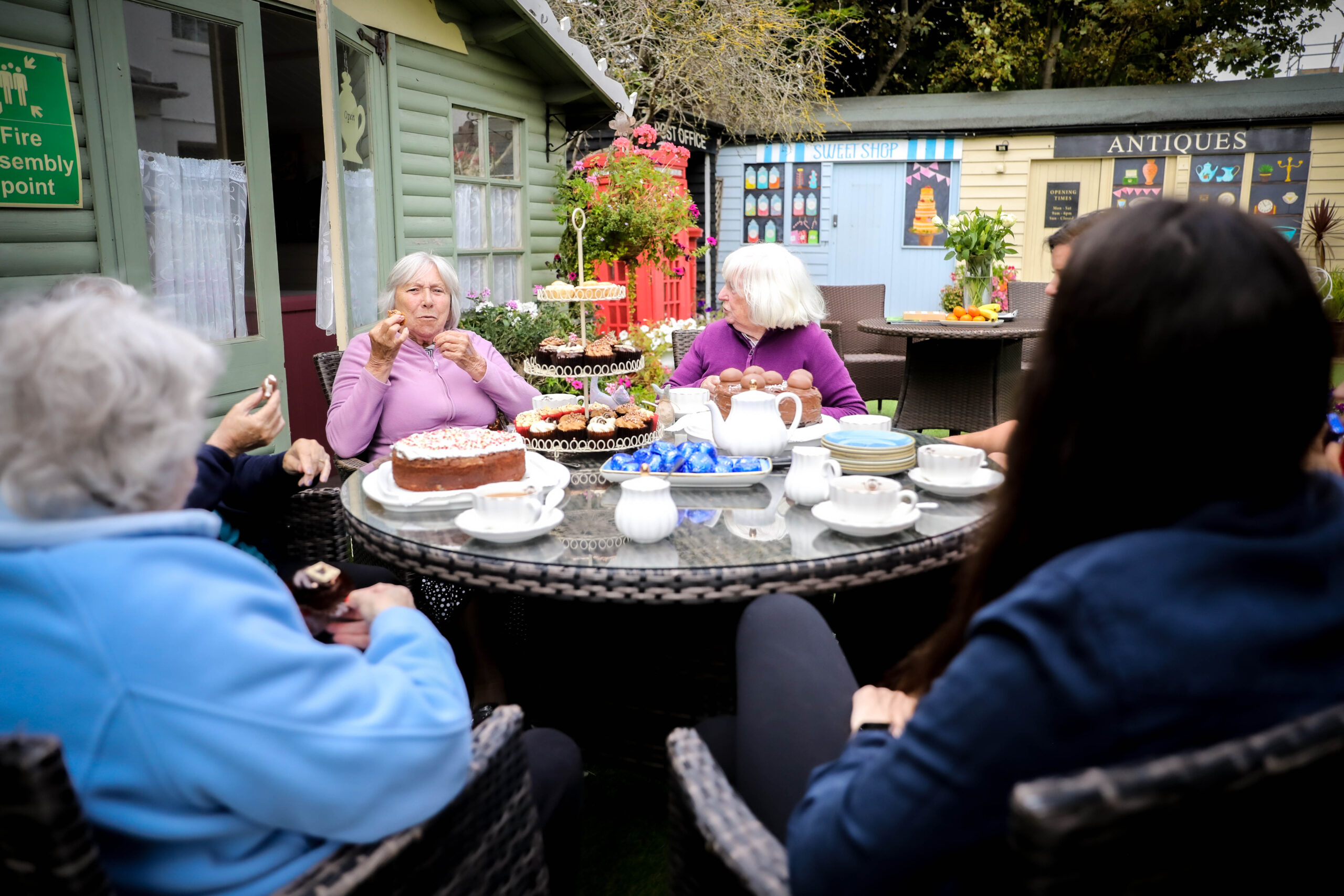
It’s no secret that spending time in nature can have a calming effect on the mind and body. Being in nature has been shown to lower levels of stress hormones, increase feelings of pleasure and wellbeing, and boost immunity. These effects are even more pronounced for those living with dementia. Studies have shown that time spent in nature can help reduce agitation, anxiety, and other forms of behaviour that can be challenging for both patients and caregivers. We are lucky to have a beautiful garden at Fairdene Lodge where residents can enjoy the outdoors and admire the flowers whenever they want. Some residents also enjoy gardening and help us to keep the garden looking beautiful.
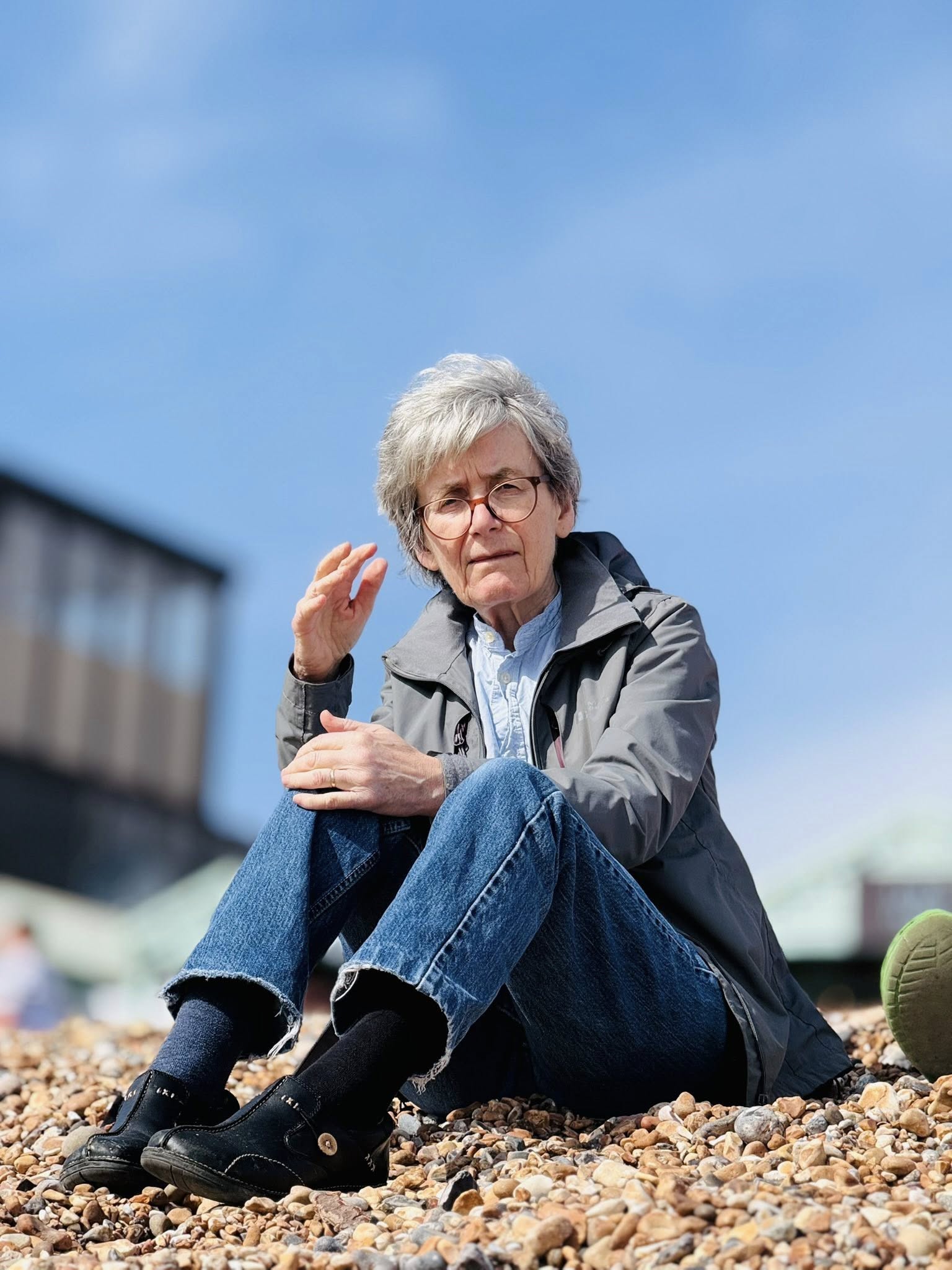
We love taking a stroll along the seafront with residents, or getting out with Pedal People for a cycle. There’s nothing better than a fresh sea breeze to clear the cobwebs and feel rejuvenated.
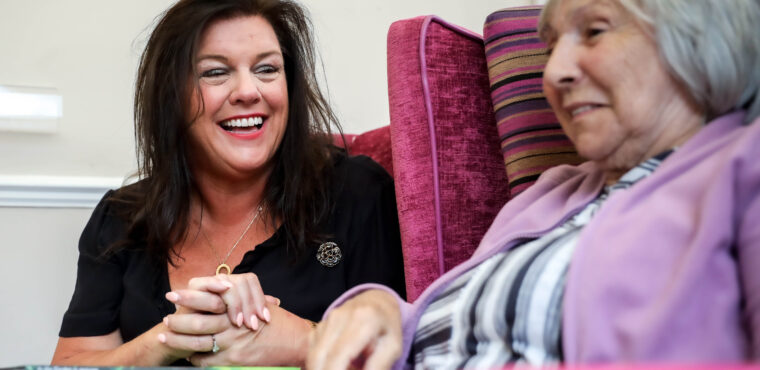
In addition to the calming effect of nature, spending time with a supportive companion can also be beneficial for patients with dementia. A recent study found that patients who had weekly visits from a trained therapy dog showed improvements in social interaction, communication, and overall quality of life. We love having Pet Pals come to visit. They bring all sorts of animals and the residents really enjoy it! Other research has shown that music therapy can also be beneficial for patients with dementia, providing them with a sense of comfort and companionship during difficult times. We have regular live music in our homes, plus each resident has an Alexa loaded up with their favourite tunes and stories.
– Routine and Structure
Routine and structure are important for all of us, but they can be especially helpful for people with dementia. Having a regular routine can help to minimise confusion and anxiety, and can make everyday activities easier.
Some simple ways to add structure to your loved one’s day include:
– Set regular times for meals, activities, and medications
– Plan short walks or other gentle exercises into the day
– Make sure there is time for relaxing and enjoying favourite activities
A structured environment can also be helpful in minimising confusion and promoting a sense of calm. Cues such as clocks, calendars, and familiar photographs can help orientate a person with dementia and remind them of important events.
Creating a calming environment at home may involve:
– Reducing noise levels by turning off televisions and radios or using noise-cancelling headphones
– Adjusting lighting to reduce glare and shadows
– Adding soft furnishings and personal items to create a more homely feel
How Dementia and Environment are Connected
When it comes to dementia care, providing a stimulating and supportive environment is essential to promoting quality of life. There are many ways to do this, but one of the most important is by creating an environment that is physically and emotionally safe.
Dementia can be a very isolating illness, so it’s important that care facilities provide opportunities for social interaction. This can be done through group activities, meal times, or simply having common areas where patients can gather. Creating a sense of community can help reduce anxiety and depression, and promote a feeling of belonging. We pride ourselves in the homely feel we create at Fairdene Lodge. Our residents are part of the family and involved in important decisions about the home, meals and entertainment.
It’s also important to provide plenty of cognitive stimulation. This can be in the form of arts and crafts, music therapy, memory games, or anything else that encourages patients to engage their minds. A stimulating environment can help slow the progression of dementia and improve quality of life.
Last but not least, it’s important to make sure the physical environment is safe and comfortable. This means ensuring there are no trip hazards, adequate lighting, and appropriate temperature control. It also means providing furniture that is comfortable and easy to use. All of these factors play a role in reducing falls, which are a leading cause of injury in older adults.
Creating an environment that meets all of these needs can be challenging, but it’s essential for promoting quality of life in dementia patients. By paying attention to these factors, we can make a real difference in the lives of those affected by Dementia.
Conclusion
It’s important to recognise that every person living with dementia is unique and different. That said, creating a therapeutic environment for those diagnosed can have an incredible impact on their quality of life. From changing the lighting in the home to introducing physical activities, there are many environmental factors that can help dementia patients maximise their potential and remain comfortable while coping with this difficult condition.