Contact Us

14-16 Walsingham RoadHove, BN3 4FF

Telephone01273 735221

COVID-19 and Dementia

By 29th March, 2021 Care Home, covid-19 Comments Off

There has been lots of talk in the press about the “forgotten victims of Covid” referring to school children and their education. Without doubt, they need more support and the make-shift homeschooling was no replacement for in school learning.


Working in the care industry we feel those suffering with dementia have truly suffered during the pandemic. If you read the research on dementia and reducing the affects, you will see the majority of advice and research shows the benefits of a routine and socialisation, both of which have been taken away to protect the vulnerable from catching COVID.


It’s a double-edged sword – on the one hand we need to protect people from catching COVID and potentially dying, however for those with dementia the loss of routine and socialisation may increase their dementia symptoms. In fact, the findings of a survey conducted by the Alzheimer’s Society of people with dementia and their carers, stated 82% of people reported an increase in symptoms among people with dementia after the March 2020 lockdown.


This was attributed mainly to a lack of cognitive stimulation and loss of routine. In the lockdown environment, we are no longer able to take part in stimulating or meaningful activities such as attending support groups or walking groups and are therefore limited to more mundane tasks. This has negatively affected people with dementia in terms of their illness and their self-worth.


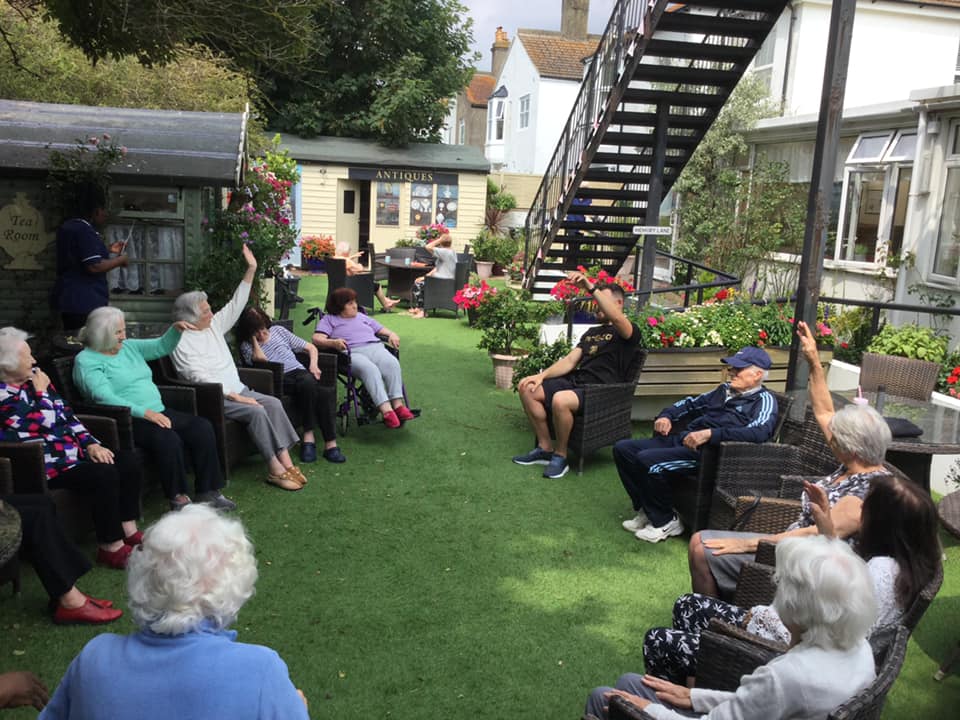
For us with the care home, we are lucky we can continue to socialise amongst the residents and we have a full entertainment programme to encourage interaction and general merriment. We can maintain the residents’ routine as much as possible, obviously anything that was part of their routine outside of the home has been reduced or stopped however we are currently still getting out in the fresh air.


For those at home with dementia, the past 12 months must have been so difficult, unable to see friends and family. Not able to go out and do normal activities like shopping, meeting a friend for coffee and cake, or sports. It really has taken its toll, Over a quarter (27.5%) of people who died with COVID-19 from March to June had dementia.

But now we look to the future and how we will transition out of a lockdown situation. For the majority of us, we are excited to return to some sort of normality, but for those with dementia the outside world may not be the familiar surroundings they remember. For example, different shop layouts and processes may be disorientating. Signs and floor markings could be confusing and people in masks might be unsettling and/or difficult to understand. With numerous new rules to follow to keep everyone safe, this is something else to worry about, and also how others might react if they were to get it wrong.


In order to have an easier transition out of our current lockdown status, it is essential that those with dementia are supported by carers, services and the wider society. It has been reported that after the last lockdown those with dementia felt forgotten and abandoned and generally felt there was a lack of support when exiting the first lockdown.


So when we are out and about and continuing to follow the social distancing guidelines, remember that there are people in our community who might not be able to wear a mask or understand why they need to wear one. In a shop, there might be people who find it hard to follow the signage or understand they need to keep their distance. We need to remember to treat these people with patience, kindness and compassion.


We hope that all the dementia friendly practices that had been adopted by many shops before the pandemic such as clear signage, and staff who are trained to support customers with dementia can continue. We need to include and consult with people with dementia to develop communication and processes that promote their wellbeing and social inclusion and help them to live in world that might not be as familiar to them as it was before.

COVID-19 – Our Journey so far

By 1st December, 2020 Care Home, covid-19 Comments Off

As COVID-19 becomes a part of our everyday lives we have had to adapt to try and keep ourselves and our residents as safe as possible. Although there is talk of a vaccine we don’t know when it might be readily available, and if we have learnt anything over the last few months, it is that supplies to counter COVID cannot come quick enough. It really has been an extremely difficult time for us as a care home, trying to find the best possible way to tackle the pandemic. Obviously we followed all the guidelines set out by the various different bodies, but we felt this wasn’t enough for us, our residents are part of our family and we care deeply for each of them, so we researched and implemented numerous procedures and policies to protect our residents and our staff as far as we could.


  1. Reduce Risk

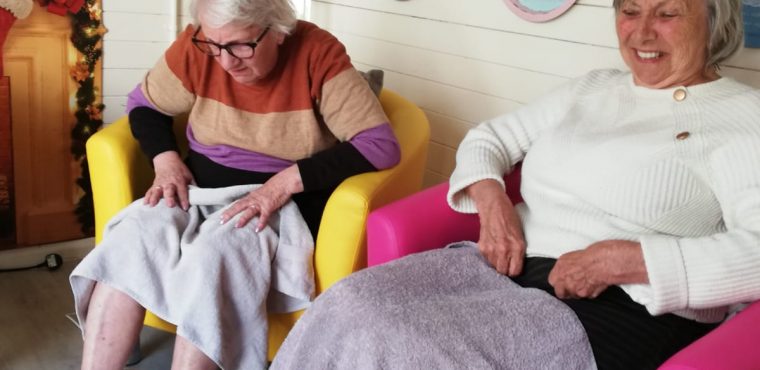
Firstly, we wanted to ensure that there was little chance of the virus reaching our homes. We shut our doors 3 weeks before the original lockdown and all non-essential visitors were cancelled. This was a difficult step for us to take as we have always had an open-door policy and love having visitors into our homes. Then we put in place as much varied entertainment as we could for the residents to try and compensate for the fact we would no longer be getting out and about and some of our regular visitors like Pet Pals would no longer be coming to see us. Our care team have been amazing, they have turned their hand to so many different roles – beauticians, hairdressers, spa therapists, dancers, singers, bakers, the list is endless, and it really shows just how caring our team is.


They sacrificed seeing their own family to ensure our residents were protected. We wanted as little contact between our team and the outside world as possible, we provided their essential shopping, so they didn’t need to visit the shops. We also provided lodgings so they could isolate and only be in contact with other staff members and the residents.


  1. Contingency Planning

We already had a number of contingency plans in place to include things like we would react to a flood, disasters, lack of services and (luckily) flu pandemics. We had also been working on a reinforced contingency plan in the months prior to the pandemic and this is why we were so able to fly into action the way that we did. We modified our flu pandemic contingency plan to a covid-19 pandemic plan and stuck to this until more information became available.


We then considered what would happen if COVID did get into our home. We created an isolation area for anyone displaying symptoms away from the other residents where they would be kept company by one member of the team. There was a programme in place for staff to provide 1:1 activities to prevent social isolation.


We also researched the best care we could give anyone who was suffering with COVID-19 and it seemed hydration was key so we briefed all staff on this and stocked up on jelly drops so we were ready should the worst happen.


  1. Maintaining Contact

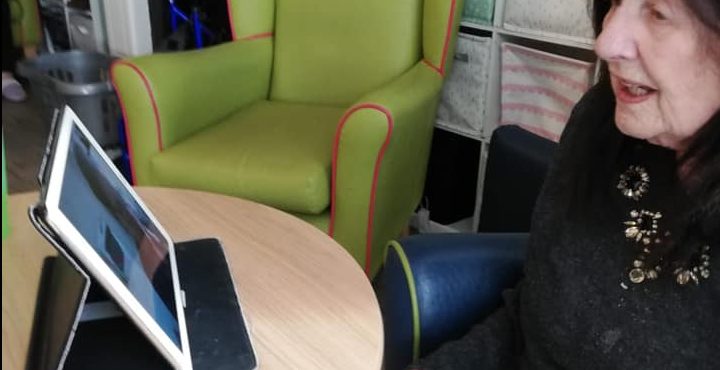
The pressure on the team was immense, with longer hours and more procedures and cleaning than usual, plus the added stress of not being able to see their own families during their time off. However, we knew it was important to try and allow our residents to see their friends and family, so we invested in more ipads and we arranged as much video calling as we possibly could. We accepted gifts on the doorstep on special days, leaving them for 72 hours to decontaminate and we got the residents writing postcards to their loved ones. We also increased our postings on our private social media group so our residents’ loved ones could see we were making the best of it and still having lots of fun in the home. We know it wasn’t the same as seeing someone face to face, but it was the best we could do in the circumstances and our number one priority has and always will be the safety and health of our residents.


  1. Wellbeing

We followed the initial advice that we could find, this included vitamin D so we spent lots of time in the garden and the sun room, ate lots of leafy greens and ensured everyone had plenty to drink to keep hydrated. We also have a supply of jelly drops which the residents love. Lots of homemade cooking and activities were doubled, if you were in one of our care homes you probably wouldn’t even know a pandemic was going on (apart from the PPE) as everything was very ‘normal’ in the homes and everyone had a lovely summer.


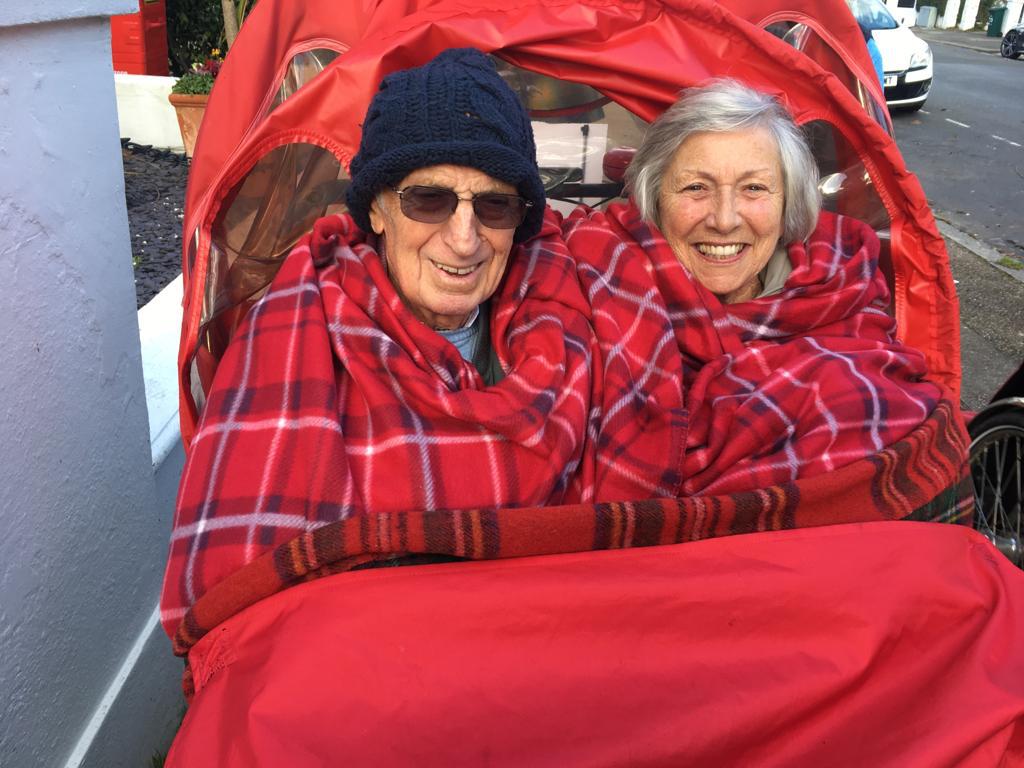
When lockdown was lifted we  joined up with peddle people again and they worked hard to put procedures into place that meant that they could take our residents out for rides into the community. This allowed families and friends to (socially distanced) join their families out in the community and experience normal activities. We were able to increase the amount of contact that families were able to have with their loved ones.


We also had family garden visits and installed a screen in the tea room for extra protection. We followed social distancing and all infection prevention measures to ensure the safety of the residents.


We invested in the Gateway. This was a machine we could put at the entrance to the home which would take a temperature before asking the visitor to proceed through. In the gateway the visitor is sprayed with an antiviral dry-mist providing full-body coverage to minimise the risk of a person carrying virus particles on their clothes.


The harmless dry-mist is used in healthcare, food safety, water treatment and general sanitation. It is made from hypochlorous, which is created naturally in the white blood cells of all humans and animals for healing, protection and to fight infections. It disables virus particles present on clothes or exposed skin on contact. We felt this would be an additional barrier and safety measure for our home that would make us feel more comfortable about inviting families to see their loved ones.

To help our staff manage and to ensure only one family were visiting at a time we developed an online booking system where families could book either video calling or a visit to the home, and just as we got it all up and running, we were put into lockdown again. This time we are more ready and prepared, we are just sad that the families won’t be visiting, however we now have the system ready for when the lockdown is lifted and families can continue to book video calling.

How do I know if it is time to think about a care home?

By 21st August, 2020 Care, Care Home, Dementia, Family Related Matters Comments Off

This post seems especially poignant as news breaks that Dame Barbara Windsor has been admitted to a care home. She looks absolutely marvellous for her age and yet she no longer recognises her husband. On the outside you wouldn’t realise anything was wrong, but for her loved ones, life has no doubt become more and more challenging, with her husband stating that her condition had worsened during lockdown. Sadly, I can imagine this might be the case for a number of Dementia suffers, the loss of routine, the inability to socialise, so many factors about lockdown does not sit well with the advice on how to reduce or slow down the effects of dementia.


I’m sure the decision to move to a care home was a difficult one for Dame Barbara’s family, however they were always very open about her condition and I’m sure as a family they had talked together about future plans. This may have made it easier for the family when the time came, as they would have known that Barbara was happy with the choice at the time.


With a diagnosis of Dementia, it might be years before the person affected actually needs a care home, however the time will come when they are no longer able to look after themselves even with the help of carers, friends and families. It would be at this point that you would need to consider moving to a care home.  In our opinion though, it should be before this point that you discuss the care home and look at the different ones available in order to know which care home is best suited to your loved one.


You might be able to register your interest and the home could keep you updated on availability as the time approaches. It may feel like a sad and scary step, however from a positive perspective, your loved one will be getting the care they need which means that you will be able to focus on your social relationship with them and it can really help to reduce the stress and tension that sometimes comes with being someone’s full-time carer. I imagine that Dame Barbara Windsor will be flooded with visitors and that’s how we like it (when we can) in our homes.


If you are interested in finding out some more about our care homes and how we run, please do not hesitate in contacting us.

Preparing for the next step

By 29th July, 2020 Care, Care Home, Family Related Matters, Help Comments Off

Taking the decision for a loved one to move to a care home can be a scary and upsetting thought. It is often filled with guilt, you may have spent years caring for them and so it is understandable that taking a step back from that role can be very challenging. Ensure you get support from your friends, family and the care team who will be stepping in. You can still be involved in their care, and work with the new team to ensure your loved one is happy and settled in their new setting.


None of us want to admit we can’t cope any more or that we need more support. As we get older it is inevitable that we might need more care and it is important to ask for this help when you need it rather than wait until something happens and you have no choice in the matter.


By creating a plan and taking time to visit different care homes or looking at the different care options you can have control over the decision making. This will give you and your family time to prepare for the next step and also in a lot of cases care homes and care teams may have a waiting list.


Here are some tips to help you in the decision-making process if you feel a care home is the next step:


  1. Involve the person in the decision

Although you may feel that your loved one does not have the metal capacity to make the decision in their care, it is important to try and involve them in the process. If they are no longer able to communicate you might be able to see different reactions as you tour around different homes which may help guide your decision and also make the transition easier for your loved one.


Due to COVID it might not be possible to have a tour of the care home right now, however the majority have websites, so take a look at the photos on their site, read about their ethos and how they care for their residents. Arrange a video call with the care home manager to ask all the questions you have and to get a feel of how the home is run and the activities that might appeal to your loved one.


Perhaps there is an opportunity for your loved one to join in some activities each week prior to the move so they can get to know some of the residents and become familiar with the home. This would make the transition feel less daunting for everyone involved.


  1. Choosing the right home

This is the big one, and no doubt the most daunting decision ahead of you. There are lots of resources available on the internet to help you make that decision, but I would draw your attention to Age UK. They have a video to help: https://www.ageuk.org.uk/information-advice/care/arranging-care/care-homes/help-finding-care-home/


They also have a list of questions that you might want to include during the process which you can find here: https://www.ageuk.org.uk/information-advice/care/arranging-care/care-homes/choosing-care-home/

It also has a handy downloadable checklist. By having a checklist and a standard set of questions for each home it will give you a good basis for comparison.


Choosing a home is very much a personal thing, so try to get as much of a feel for daily life as you can, ask about routine and activities, outside space, activities available outside of the home and see if you can picture your loved one enjoying themselves there. If you do get the opportunity to have a tour of the home get a feel for the staff, are they interested in the residents, are they caring, does the home feel welcoming? It may be difficult to do this in current circumstances, however if you are planning in advance perhaps ask to be contacted once they are doing show arounds again.


  1. Once you have chosen

At this stage the care home should arrange to come and meet your loved one or invite them to the home to meet with some of the team. As I mentioned earlier, if you have some time before the move, it might be nice to arrange a few afternoons or mornings where your loved one spends time at the home getting involved in some of their activities.


During their visits try to give the home as much information about your loved one as possible, this includes how and where they grew up, family, partner, work, interests, hobbies, achievements, music, films. On the Dementia website you could go through the process of creating your loved one’s life story. This is a lovely thing to do together, but don’t try doing it all in one sitting, break it into topics and collect photos to go with the stories. Spending time going through old photos reminiscing is something we love to do at Fairdene Lodge and having life stories helps us to start the conversation with our residents.


  1. Moving Day

Try to reduce anxieties and pick a time in the day which you feel will work best for your loved one. If they feel reluctant you could could start with a shorter respite stay to see how they get on.


Make their room homely, put up photographs of loved ones and ornaments and sentimental pieces from home around the room. Finding the right time to leave can be hard, however the care home will be very experienced in this, so talk to them and discuss when they feel is the best time.


Let your loved one know you are leaving and when you plan to return and feel free to call the home and check how they are settling in.


  1. Settling in

Some care homes ask friends and families not to visit in the first week so they can get your loved one settled. This can feel difficult, however you can phone and check how it is going. When you do visit, encourage your loved one to develop relationships with the other residents and get involved in activities. We are always happy to include visitors in our activities – if you have a skill or hobby you could even host your own activity session.


If you would like any advice about introducing a loved one to our care home, please do not hesitate in contacting us.

The Art of Technology in Uncertain Times

By 5th June, 2020 Care Home Comments Off

The lockdown has been longer and much tougher than any of us could have anticipated. For some the uncertainty of whether they might ever get to hug their loved ones again must be unbearable, however we have tried to overcome our social distance using technology.


Here at Fairdene, we have arranged facetime calls, Skype, Zoom, telephone. We have used technology and more old-fashioned methods of communication too writing letters and postcards to our loved ones.


We can tell how much this communication means to our residents’ friends and family with all the lovely comments we receive on Facebook when we post photos of the many activities we have been enjoying. To see your loved one having a nice time lifts the spirits and for that reason we have been posting more than ever on social media.


Although video calling can be harder if you are talking with someone with dementia it is important for both our residents and their loved ones to stay in touch and see each other in whatever way they can.


On special days such as Mother’s Day and Easter we were inundated with gifts and cards for the residents and it was so lovely to watch them opening their gifts and smiling with their friends here at Fairdene. In order to share this moment, we took video clips and photos to share with their loved ones outside of the home.


Technology really has become a tool to rely on in these uncertain times. Our only form of contact with the outside world and we are extremely grateful for the link it gives us with all our residents’ friends and families. We hope to be able to come together a bit more in the future, however for now we will continue in the virtual world.

Supporting the Elderly This Winter

By 8th January, 2020 Care Home, Family Related Matters, Help Comments Off

Supporting the elderly this winter: our Sussex care home has tips for friends and relatives

Winter is a particularly difficult time for the elderly; bad weather can make getting around harder, there’s plenty of cold and flu around, and the cold air can make things like chest infections are very serious matter; not to mention that loneliness can set in, too. If you’ve got an elderly friend, relative or neighbour, there are a few things you can do to support them this winter…

Keep an eye

Call and visit more often, ensuring they’re up and well. Make sure they know where you are and how to contact you should they have any problems.

Help them with shopping 

Make sure they’ve got at least the basics in the cupboard and freezer, in case it’s too cold to go shopping.

Heating

Make sure their heating’s working and turned up to a comfortable level

Ensure they have all their medication

Pharmacies may be difficult to get to in bad weather; make sure your friend, relative or neighbour has enough of their medication to last them until they’re able to get to a pharmacy again.

Clear snow and put down salt

If bad weather strikes, limit the risk of slips and falls by clearing snow and putting salt down on any icy patches.

What a busy year 2019 has been at Fairdene

By 19th December, 2019 Care Home Comments Off

2019 has been a very busy year at Fairdene Lodge and we have enjoyed getting involved in lots of new activities and initiatives as well as some old favourites. We’ve had visits from birds, animals, dancers, singers, a nursery and more… plus our regular personal training sessions, pamper events and dental visits.

We took part in a number of awareness days, from read a book day to Alzheimer’s awareness, and held a number of cake sales to raise funds for charities close to our hearts. Our largest charity event was a sponsored bike ride where we had exercise bikes in the garden and raised money for Pedal People, you can still donate to help get more elderly out on bikes.

Pedal People is a firm favourite with our residents, with lovely cycle rides along Hove seafront – there’s nothing better for the soul than a bit of sea air and even better if someone else is doing the pedalling!


In the summer we had one of our more unusual evenings when we headed down to Hove Lawns to experience the Ladyboys of Bangkok. Some of us enjoyed it more than others, but it was definitely something different on our activity programme!


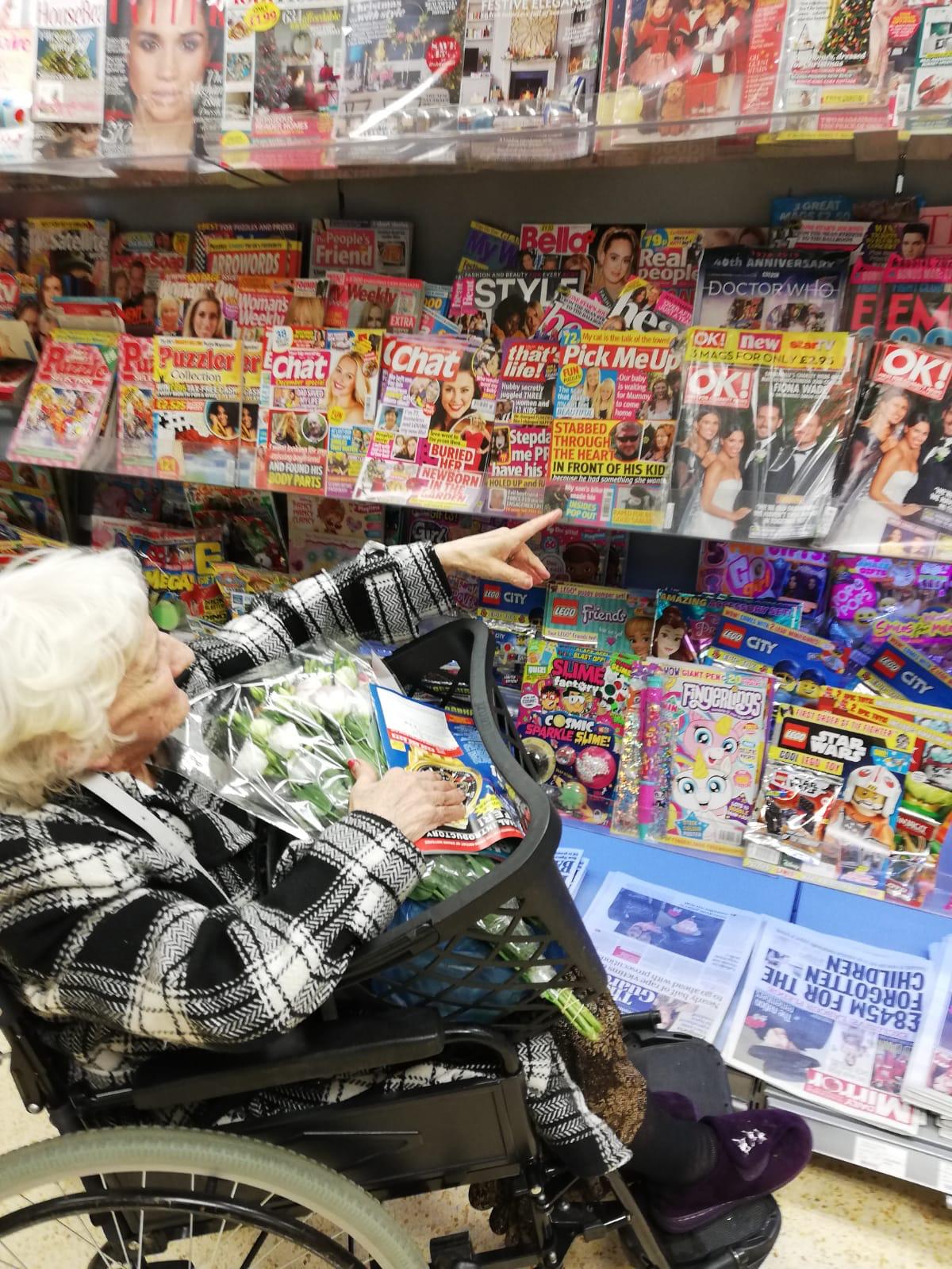
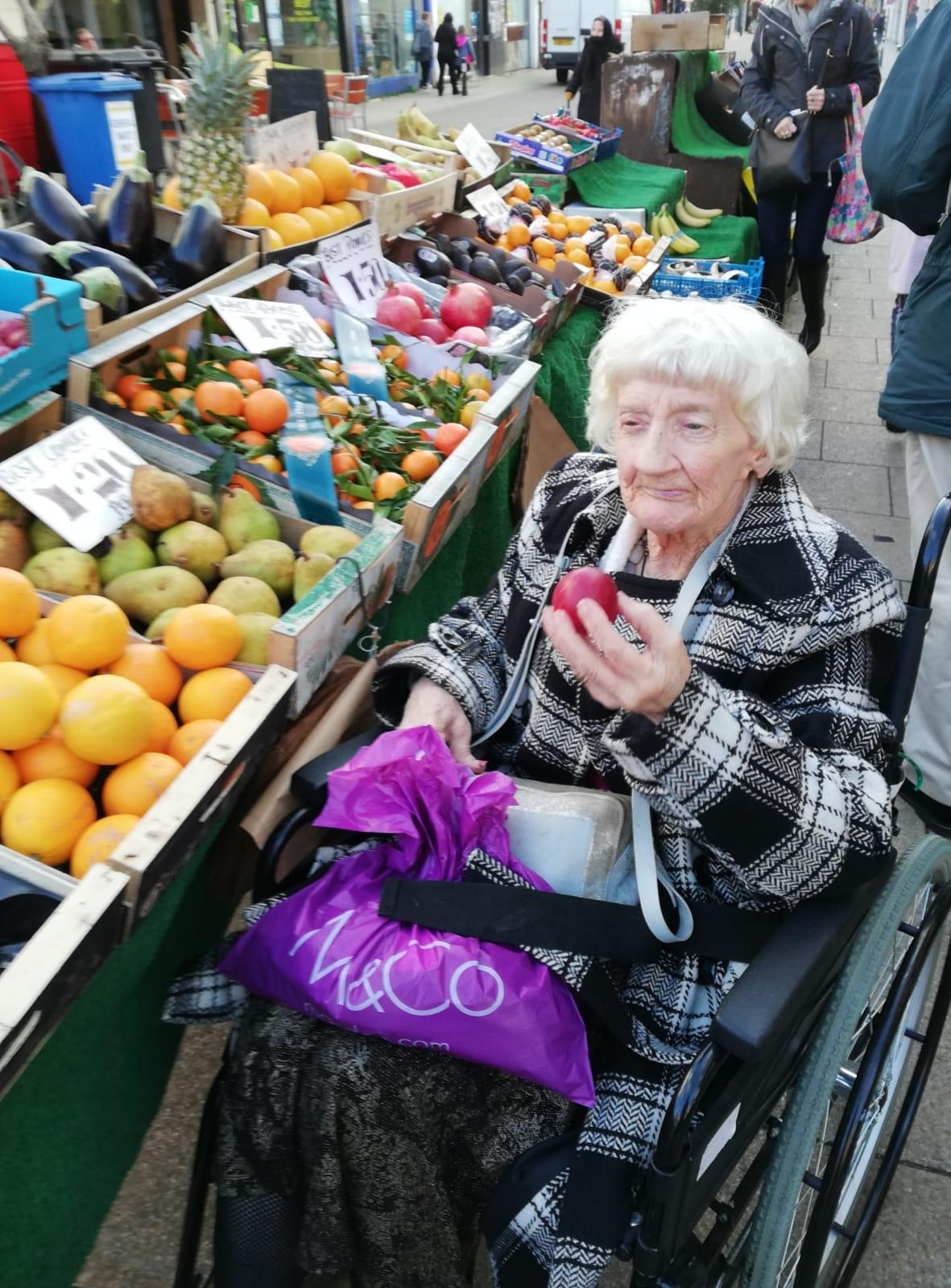
October saw the arrival of our very own minibus, this was so exciting for us and the residents, as it enables us to get out and about a lot more and also, we can travel a little further afield. Our first trip was to M&S on Western Road Brighton, where a number of our residents used to spend many an afternoon browsing and buying so it was lovely to be able to take them somewhere familiar and have a little browse ourselves!

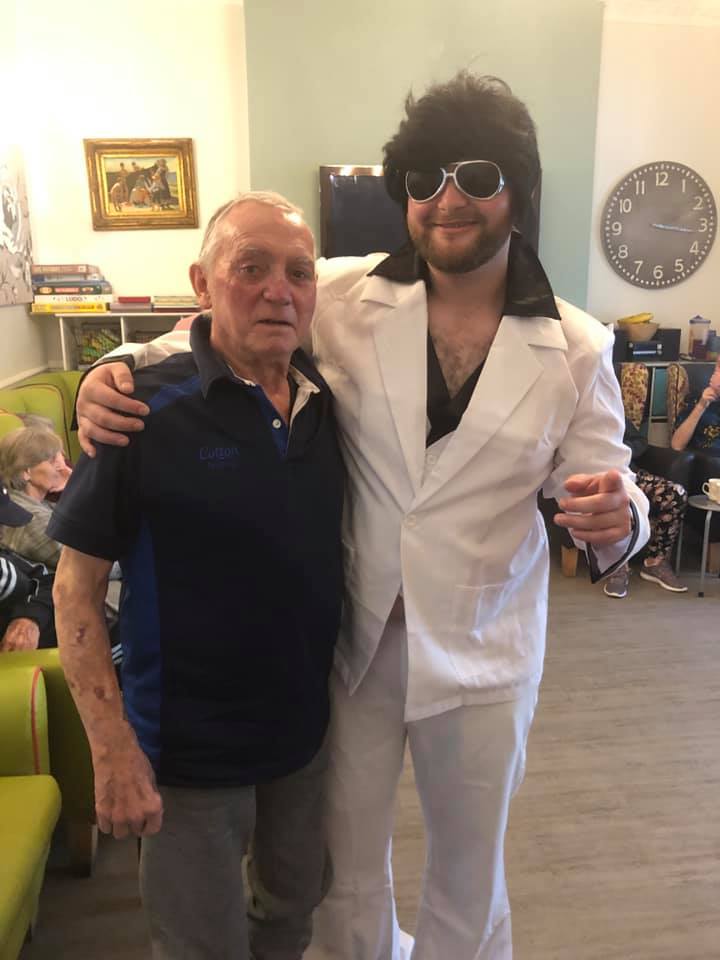
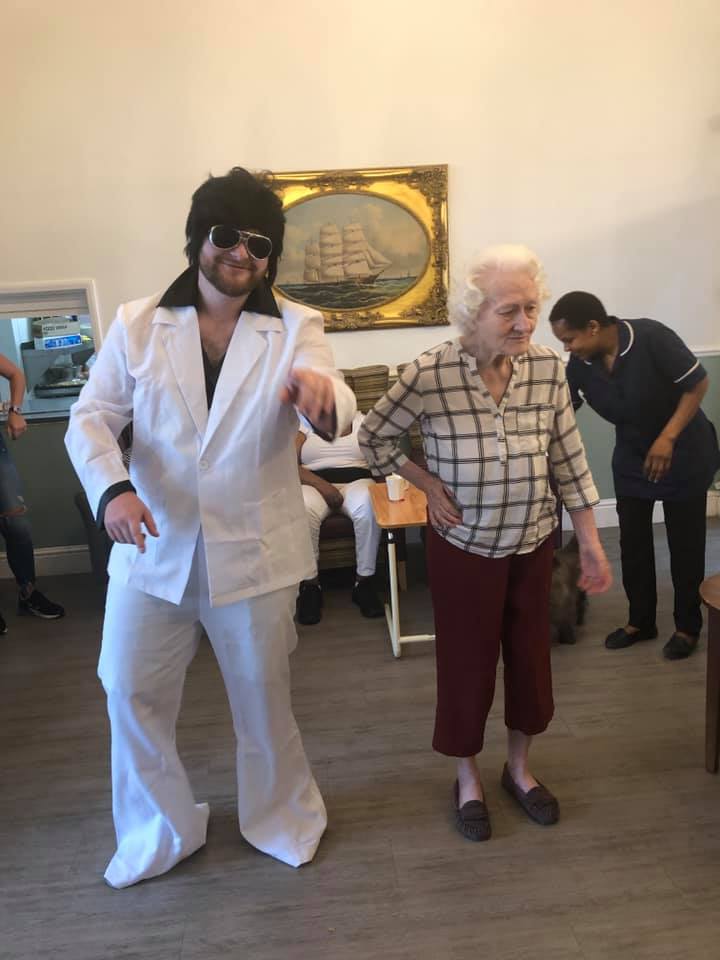
Our Make a Wish programme has continued to delight residents with a visit from Elvis, some Bengal Cats and a number of other resident wishes granted over the summer. We are looking forward to continuing this next year.


Everything got funny in November when we tried some laughter yoga – and what a laugh it was, staff and residents got involved and really loved the funny activity.


We continually try to include our residents in the running of the home, whether that’s choosing the food we order from the supermarket, helping with the chores or looking after the garden. However they would like to be involved, we are delighted to have the help.


And now at Fairdene we have welcomed a new chef who is very onboard with the research around nutrition and dementia, and being Spanish is very experienced in the Mediterranean diet ensuring all our residents have access to fresh fruit and veg and that we have a selection of quick grab healthy foods available for those who would prefer not to sit and eat a meal.


And with an activity packed 2019 drawing to a close, we look forward to 2020 and all the activities it has to offer!

Make a Wish and Fairdene Makes it Happen!

By 14th August, 2019 Care Home, Events Comments Off

We are delighted to announce our very own “Make a Wish” programme. Residents are putting forward things that they have always wanted to do and we are making it happen!

We pride ourselves on our person-centred care and this is just one more way we are helping to cater for our residents’ needs and interests as individuals. Alongside this we are also adding an Alexa in each room with personal playlists of music and books, we arrange outings to appeal to individual hobbies and interests, and we try to involve residents in decisions about the home, like our cheese and wine night where residents voted on which cheeses they would like to be served in the home going forward.

We are continually looking for new ways to improve the home and are excited about the launch of our “Make a Wish” programme. This will give our residents the opportunity to think about things they would like to do and see and then for the home to help make them happen.

The first “wish” from one resident was to see Elvis, so we booked an Elvis impersonator to come to the care home and perform for all the residents. It was a roaring success, the residents enjoyed a dance and a sing-a-long and Peter was over the moon that we had made his wish come true saying, “it might not have been the real Elvis, but you never would have known, it was great to see Elvis from the comfort of my armchair!”

The second wish from another resident was to have a Doberman visit the home, this has always been his favourite breed of dog. We have pet pals visit the home each month, however they have never brought a Doberman, so we are now looking for one to make this resident’s wish come true.

We wanted to give the residents as much choice as possible over their activities and entertainment programme, and we love the idea of making some wishes come true. It has been well received by residents and carers alike and we are looking forward to making as many wishes as possible come true over the coming months.

In the pipeline we have wishes to go to Australia, to meet the Queen and to dance in the rain. Some of them more challenging than others, but if the residents can’t go to Australia, we will bring Australia to the home with Aussie BBQ, didgeridoo playing, and the carers putting on their best Aussie accents “G’day Mate”!

Living with Dementia

By 17th July, 2019 Care Home, Help Comments Off

What is dementia?

Dementia describes different brain disorders that trigger a loss of brain function. These conditions are all usually progressive and eventually severe. Symptoms include memory loss, confusion and problems with speech and understanding.

There are over 850,000 people in the UK with dementia and 70% of people in care homes have dementia or severe memory problems.

Dementia can affect all aspects of a person’s life as well as those around them. 

However, it is important to remember that:

  • they are still the same person even though they have problems with memory, concentration and planning
  • everyone experiences dementia differently
  • focusing on the things the person can still do and enjoy will help you both stay positive

Keeping socially active for as long as possible is good for confidence and wellbeing. There are many dementia-friendly activities available, have a look online to see what might be available near you.

In Brighton, for example they run dementia-friendly gardening sessions every Tuesday. Being outdoors in the fresh air amongst nature is amazing therapy for the soul. That’s why our care home gardens are so important. We try to get out in the garden as much as possible, whether it’s for a spot of gardening or for tea and cake.

The same company also organises a monthly dementia-friendly cooking class. The Alzheimer’s Society also runs different sessions to work on maintaining skills.

Here are a few tips to help manage dementia

  • Have a regular routine
  • Put a weekly timetable on the kitchen wall or fridge and schedule activities for when you are at your best
  • Keep your keys in an obvious place
  • Have a list of helpful numbers by the phone
  • Use direct debits for regular bills
  • Use a pill organiser box
  • Make sure your home is safe and dementia-friendly

The way your home is designed and laid out can have a big impact on someone with dementia. 

That’s why we spent time and money investing in our care home’s layout and decor creating colour coded ‘zones to aid orientation. It is also vitally important for us that our residents feel at home, which is why thought, care, and also input from residents themselves has gone into the decoration of each and every one of our 28 bedrooms. Each door is clearly numbered and with consent, photos are attached to aid orientation. 

Symptoms of memory loss, confusion and difficulty learning new things can mean someone with dementia may forget where they are, where things are and how things work. We think of ways to help residents live a full and independent life for as long as possible, welcoming visitors whenever they choose and hopefully providing as much of a home-from-home feel as we can.

Our Care Team Tells All…

By 9th May, 2019 Care Home Comments Off

Kennedy, one of our lovely Care Assistants took the time out from her busy day to tell us what life as a care assistant at Fairdene Lodge is really all about…

I’ve been working in care for over five years now, it’s something I always wanted to do. Having grown up with a cousin with learning disabilities I enjoyed helping her and playing with her growing up. So much so that I started volunteering at a day centre and that’s where my career in care began. I wanted to work in a role that I found rewarding, and being a care assistant I find really rewarding.

I’ve been at Fairdene since November 2018 and I can say hand on heart this is the best care home I’ve worked at. This is because of the real focus on person centred care and the staff are really friendly. As a team we work to give every resident the best possible quality of life and we offer a wide range of activities alongside our care to achieve this. 

We try and offer a mix of physical and mental activities and we are always welcoming people into the home to offer different activities from singers with instruments to get everyone involved to Pet Pals who visit once a month with different animals for the residents to meet and pet. A couple of months ago we had goats at Fairdene – the first time I have ever seen a goat in a care home! The residents loved feeding the goats and the little tickle of the goat eating out of their hands.

But it’s not all about dancing and singing we also use meaningful activities to create a real homely feel. So if residents want to get involved in the cleaning of the home they can – whether that’s sweeping up, helping clear after meals or helping us take in deliveries. All tasks appeal to a different personality, so our ex-builder resident likes to be involved in taking in the deliveries, while our resident who used to work in the boxing industry tells us stories about al the sights and celebrities he’s seen.

No two days are the same at Fairdene Lodge, and when you arrive at the beginning of your shift, you never know what kind of day it might be, but it’s good to know on the more stressful and taxing days that I have such great team support. We all help each other out and we get the chance to reward our fellow team mates with “employee of the month” voted for by us!

I love having a laugh with the residents and hearing everyone’s stories, but what I really love about working at Fairdene Lodge is going home feeling that I have done some good, that I’ve made a difference.