Contact Us

14-16 Walsingham RoadHove, BN3 4FF

Telephone01273 735221

What is the difference between Alzheimer’s and Dementia?

By 1st December, 2022 Dementia Comments Off

What is the Difference Between Alzheimer’s and Dementia?

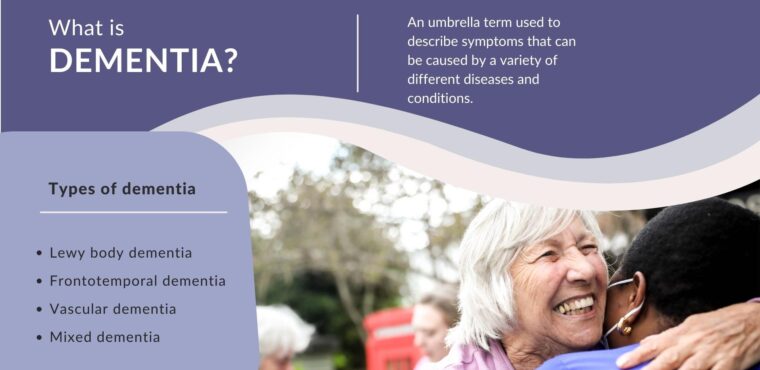
The most important difference between Alzheimer’s and dementia is that Alzheimer’s is a specific disease, while dementia is an umbrella term used to describe symptoms that can be caused by a variety of different diseases and conditions. Alzheimer’s disease specifically affects the brain cells responsible for memory, language, and thinking. Dementia, on the other hand, refers to a general deterioration of cognitive function. While Alzheimer’s is the most common cause of dementia, there are many other potential causes as well, including Lewy body disease, frontotemporal lobar degeneration, and vascular dementia.


The Different Types of Dementia

Each type of dementia has its own set of symptoms and prognosis. Alzheimer’s accounts for 60-80% of cases. Other types of dementia include:

  • Lewy body dementia
  • Frontotemporal dementia
  • Vascular dementia
  • Mixed dementia (a combination of two or more types).


Alzheimer’s disease: Characterized by memory loss, confusion, and difficulty with tasks that require planning and judgment.

Lewy body dementia: Second most common type of dementia, and is characterised by changes in mood and behaviour, as well as problems with movement and balance.

Frontotemporal dementia: Affects the frontal and temporal lobes of the brain, causing changes in personality and behaviour.

Vascular dementia: Occurs when there are problems with blood flow to the brain, typically due to a series of small strokes.


Dementia can lead to a decline in physical and cognitive abilities. Physical abilities may decline due to muscle weakness and problems with balance and coordination. Cognitive abilities may decline due to memory loss and difficulty with planning and judgment. Dementia can also cause changes in mood and behaviour, which can be a challenge for caregivers and loved ones.


How to Diagnose Dementia

If you suspect that you or a loved one may be suffering from dementia, it is important to see a doctor for an accurate diagnosis. Dementia is diagnosed through a clinical evaluation, which includes taking a medical history, conducting a physical exam, and ordering tests to assess cognitive function.


The most important test for diagnosing dementia is the cognitive assessment, which measures memory, attention, language skills, and other thinking abilities. A score of 26 or below on this test indicates dementia. Other tests that may be used to diagnose dementia include brain imaging (CT or MRI scan) and blood tests to rule out other causes of cognitive decline.


Once dementia is diagnosed, it is important to work with a doctor to develop a treatment plan. There is no one-size-fits-all approach to treating dementia, but strategies may include medications to manage symptoms, therapies to improve cognition and function, and support for caregivers.


How Alzheimer’s Effects Memory, Language and Mood

The most common symptom of Alzheimer’s disease is memory loss. This can include forgetting recent events, conversations or people’s names. People with Alzheimer’s may also have difficulty planning or solving problems, and they may experience changes in their mood and personality.


As the disease progresses, people with Alzheimer’s may lose the ability to communicate and follow simple instructions. They may also become confused about time and place, and they may wander off from home. In the late stages of the disease, people with Alzheimer’s may need help with all aspects of their daily care.


There is no one test that can definitively diagnose Alzheimer’s disease. Doctors typically look for a combination of symptoms, including an assessment of a person’s medical history, physical exam and cognitive testing. A diagnosis of Alzheimer’s disease can be made only after ruling out other potential causes of cognitive decline, such as stroke or drug interactions.


Telling a Loved One They Have Dementia

When a family member or close friend is diagnosed with dementia, it can be difficult to know how to break the news. You may feel shocked, scared, and unsure of what to say or do. It’s important to remember that each person experiences dementia differently, so there is no one “right” way to tell them about their diagnosis.


The most important thing is to be honest and open with your loved one. They have a right to know what is happening with their health and should be involved in decisions about their care. If possible, include other family members or friends in the conversation so that they can offer support and answer any questions your loved one may have.


Be prepared for your loved one’s reaction. They may feel angry, sad, or relieved – or some combination of these emotions. It’s okay to cry together or simply just be there for each other in silence. What’s most important is that you provide reassurance that you will still be there for them, no matter what changes occur as their dementia progresses.


Treatments for Dementia

There is no one-size-fits-all answer to the question of how to treat dementia, as the approach that works best will vary depending on the individual and the type of dementia they have. However, there are some general principles that can be followed when it comes to treating this condition.


The first step is to try and identify the cause of the dementia, as this can help inform the treatment plan. If there is an underlying medical condition causing the dementia, then treating this can often improve symptoms or even reverse the condition entirely. It is also important to address any physical or mental health problems that may be contributing to the dementia, such as depression, anxiety, or sleep disorders.


Once any underlying causes have been addressed, there are a number of ways to help manage symptoms and improve quality of life for someone with dementia. There are many different types of medication available that can help with things like memory loss, confusion, and agitation. There are also a number of therapies that can be beneficial, such as cognitive stimulation therapy (CST), which has been shown to improve cognition in people with Alzheimer’s disease.


It is also important to provide support and assistance to caregivers of people with dementia. This can include things like respite care (short-term breaks from caregiving), support groups, and education on how best to provide care.
What is the difference between a residential care home and a nursing home?

By 19th October, 2022 Care, Care Home, Dementia, Family Related Matters Comments Off

When it comes to a time when you need to start reviewing care options for a family member or loved one, it can be a daunting experience. There are various different options and different terminology to navigate, how do you make sure your loved one is going to be properly looked after?


One of the most commonly asked questions is, “what is the difference between a care home and a nursing home?” Put simply, a nursing home has a nurse on-site 24/7 and is therefore a better option for those with greater medical needs. However, the majority of elderly do not need this, they require more support and are no longer able to live at home independently. A care home is best for those who are unable to look after themselves properly due to old age. This may mean they are no longer able to wash themselves, they may have mobility issues or perhaps then need extra support with toileting.


A care home is able to administer drugs to those who need it, however if they require a new prescription there won’t be a nurse on site, instead, they would call a doctor to assess the resident and issue a new prescription.


Some care homes, might have an area of old age they specialise in. For us, at Fairdene Lodge, that is dementia. This means our staff have experience in looking after people suffering with dementia. They have had training to deal with the challenges that surround looking after those with dementia and the home is designed with those people in mind. For example, the corridors are colour coded to help residents navigate and we use photos and words on room doors to ensure residents can find their room more easily.


As you can imagine, having a nurse on site is expensive and therefore the fees of a nursing home can be considerably higher than those of a care home. Currently (April 2022), a nursing home is on average £180 per week more expensive, over a year this would be over £9000 more expensive than a residential care home.


So, how do you know whether your loved one needs a nursing home? The best place to start is with a needs assessment: https://www.gov.uk/apply-needs-assessment-social-services.  For Sussex the first part of the process is to fill out an online self-assessment and there is a different one for East or West Sussex: East Sussex: https://adultsocialcare.eastsussex.gov.uk/web/portal/pages/preclientasspage

West Sussex: https://www.westsussexconnecttosupport.org/s4s/FormDetails/FillForm?formid=214

Once you have completed the form a member of the social care team will get in contact to discuss your needs in more detail. Depending on what those needs are will determine the next part in the process.


We know getting the help and care you need for a loved one isn’t always easy, we are happy to help guide you through the process. If you would like to discuss your care needs (for you or a loved one), arrange a visit or have a chat about how we can help, please get in touch.

When is the right time to choose a care home?

By 17th September, 2021 Care, Care Home, Dementia, Family Related Matters Comments Off

It feels like there is never a right time to choose a care home, it’s a daunting and scary thought for most people, and generally it is left until the family cannot cope with the care requirements of a loved one anymore and then there is a panic to try and find somewhere with a space.

Our advice would be to prepare well in advance of a loved one needing a care home. At this stage they can even be involved in the decision-making process and you will have a greater choice of homes available to you. As you will have time to be on waiting lists, plus you will be able to get to know the home much better. The more open you can be with your family and able to discuss plans, the easier it will be when the time comes to transitioning into a home.

If the home is for you, let them know what you want, where you might like to be and the types of activities you might be interested in doing. Get to know the homes you are interested in and ask to be kept on their mailing list.

We always welcome as many visits as possible for the new potential resident and their family to get to know us and the home. We like potential residents to feel familiar with the home and comfortable in the space. They are welcome to join in activities with us and stay for periods of time to really understand what it is like to be one of our residents.

When choosing a home, try to take your time, ask lots of questions about the day to day running of the home, how they care for residents and the activity programmes they run.

At Fairdene our focus is on person-centred care, this means that we get to know each of our residents on a personal level, not just the medical care they require, we like to know what hobbies they enjoy, the job they used to do, the family they have and what makes them happy. We use this to put together meaningful activities for each resident. For example, we have one resident who used to be a boxing promoter, so we take him down to the boxing gym to see everyone and watch some of the action. This is an activity he really enjoys but is personal to him – not everyone is going to want to head down to the boxing gym!

If your loved one has already had a diagnosis of a condition that is likely to affect them into their later years such as dementia, you might like to look at care homes that specialise in that condition.

As a dementia care home, we continually research the latest on dementia care and continually look to improve our home and dementia care. We have our own in-house chef to offer the most nutritious food and ensure there is healthy food for residents to help themselves to around the home. We offer jelly drops to ensure everyone stays hydrated. Each resident is encouraged to bring a memory book with them which has photos of friends and family and things they like to do. We love sharing these with the residents and hearing their stories of days gone by.

With a diagnosis of Dementia, it might be years before the person affected actually needs a care home, however the time will come when they are no longer able to look after themselves even with the help of carers, friends and families. It would be at this point that you would need to consider moving to a care home.  In our opinion though, it should be before this point that you discuss the care home and look at the different ones available in order to know which care home is best suited to your loved one.

You might be able to register your interest and the home could keep you updated on availability as the time approaches. It may feel like a sad and scary step, however from a positive perspective, your loved one will be getting the care they need which means that you will be able to focus on your social relationship with them and it can really help to reduce the stress and tension that sometimes comes with being someone’s full-time carer.


Fun and rewarding activities for those with dementia

By 7th June, 2021 Care, Care Home, Dementia, Family Related Matters Comments Off

Caring for a loved one with dementia can be frustrating, it can be lonely and at times it can feel monotonous. This in itself can start to have a detrimental impact on your relationship, and it is so important to try and not let dementia come between you.

We’ve put together a list of activities you might want to think about to break away from the frustration and monotony and think a bit differently about how you can keep your friendship going.

Finding engaging activities can help to reduce symptoms associated with dementia such as agitation, anxiety, depression and anger.

  1. Fold towels

Now, this might not seem like an exciting or an engaging activity, however the need to feel useful continues throughout our lives and by giving those suffering with dementia an activity where they feel useful and purpose is a great way to boost self-esteem. It doesn’t matter how well the towels are folded, your loved one will feel they are contributing to the household and you are getting some of the housework done! At Fairdene Lodge, we regularly ask our residents to help us pair socks, and they love getting involved and feeling helpful.

  1. Create a memory box

We actively encourage our residents and their families to create memory boxes and books. They are great conversation starters and can help residents feel connected to their past career and hobbies.

With a memory or rummage box you can fill it with things they might have used at work or objects from hobbies. For example for a boxer, they might have a boxing glove or a gym towel. Someone who enjoyed baking might have measuring spoons, a whisk or a wooden spoon.

You can use this for any type of job or hobby, you might just need to be creative about finding objects that are safe to handle.

  1. Make (or buy) a personalised puzzle

If you want to get creative you could print a favourite family photo, that has a special meaning for your loved one. Laminate the photo and cut it into four (or more) puzzle shaped pieces to make you own personalised DIY puzzle. Alternatively, there are lots of sites online where you can buy a photo puzzle.

  1. Music

Play your loved one’s favourite songs or albums from their youth. Encourage singing and dancing. It’s amazing how a song can take us back to a certain time or memory. We have Alexas in all our residents’ rooms loaded with their favourite music and stories.

  1. Reading

You could read to your loved one, or perhaps they might enjoy an audiobook. Find things that are easy to follow and capture their interest.  Reading aloud is a great way for those with dementia to interact with children.

  1. Nature

Get out for a walk or use a wheelchair to get outside and breathe the fresh air, listen to the birds and take in the scenery. We love getting our residents out and about. We offer walks along the seafront, or rides with the Pedal People. We visit garden centres and shops, parks and cafes. We are so pleased the restrictions are lifting and we can get out and about again.

  1. Animal Therapy

Holding or petting an animal is so relaxing and we’ve seen the benefits in our home when we’ve had various furry friends to visit.

Routine is great for those with dementia, however if it is having a negative impact on your relationship, you need to change it up a little. Hopefully this article has given you a few ideas on how you might do that.

Keeping normality when the world isn’t normal

By 16th October, 2020 Care, covid-19, Dementia, Family Related Matters Comments Off

This year has been one of the strangest on record and it’s not over yet. It seems Coronavirus is probably here to stay and has had the biggest impact on the care industry, this coupled with the added challenge of being a dementia specialist care home has meant trying to implement enormous change whilst trying to minimise the impact on our residents.


All the research you read about dementia always states as advice “maintain a routine” this is all well and good, but when the routine is no longer practical with lockdown restrictions and protecting the most vulnerable, what do you do? Here are some of our thoughts:


  1. Think outside the box

For those who regularly enjoy something outside of the home, which might not be available now, this could be a major disruption and may set them back in terms of their dementia and wellbeing. Could you think of recreating this activity inside the home somehow? For example, if your loved one liked to go to the local tea shop for tea and cake every Tuesday and you would rather they stayed at home, why not set a table and chairs up in their home like the tea room and bring the tea and cake to them.


If your loved one enjoyed a pamper session, bring it to them. In our home, our carers have been doubling up as beauty therapists offering a wash and blow dry, nail painting and even hosting a mini spa day in our Sweet Shop. If you can’t turn your hand to this, perhaps someone else in your family can. There are also mobile beauticians however this may feel too much of a risk.


  1. Stay Calm

It can be really worrying when there is a threat to a loved one, you just want to protect them, shut them away and hide from the outside world. If your loved one doesn’t understand the pandemic, or the seriousness of the situation, they may feel like they are being held prisoner. You need to be able to talk to your loved one in a clear and calm manner focussing on the facts to explain why your loved one needs to self-isolate. If they are adamant they want to go out, try and encourage the safest activities – a walk in the countryside perhaps?


  1. Exercise

Try and stay active, if you are lucky enough to have a large garden walk around the garden, maybe do a spot of gardening. Take a walk in a spacious country area, or if you want to stay indoors try an online gentle stretching class or how about laughter yoga online? This will benefit you and your loved ones releasing any stress and relaxing the mind.


  1. Keep routine

I know not everything in the routine can stay the same, but try and maintain those things you can – waking time, mealtimes, bedtime. Routine is so important to dementia sufferers, the more routine you can keep to, the better. If things need to change, try and introduce the changes gradually where possible.


  1. Get Creative

Perhaps now might be a good time to try something creative, painting or writing. Try to keep the mind active – puzzles and crosswords are good, as well as reading or listening to music. All of these things are known to improve wellbeing, not just for your loved one, but for you as well. Give it a try and you may end up dancing around the house!


  1. Keep talking

If your relative is in a care home and you are not allowed to visit, find other ways to communicate. Perhaps, like us, the care home could organise video calling so you can see each other (albeit on a screen). You could write a card or letter, record a video message or speak over the phone. It is important to maintain contact and we have been more than happy to arrange this at XX.


It is a challenging and uncertain time for us all as we try to adapt and look after those most vulnerable to the virus. Don’t forget your own wellbeing and to take care of yourself too.

Caring for those with Alzheimer’s

By 23rd September, 2020 Care, Dementia Comments Off

This month marks World Alzheimer’s Awareness Month and as such we thought it a poignant time to reflect on all those caring for someone with Alzheimer’s.


As a dementia specialist care home, we have a number of patients suffering with Alzheimer’s and we feel it our mission to try remove the stigma. The best way to do this is talk about it.


From speaking with the loved one’s of our residents we know it can be a lonely place caring for someone. Here are some of our tips to help:


Establish a routine

A routine can be very reassuring for those with Alzheimer’s as it helps them feel secure which reduces stress and anxiety and can even help them sleep better. Having the same morning routine for example, for basic activities such as waking up at the same time, then going to the toilet, getting dressed, brushing teeth & hair and having breakfast not only gives the day a natural flow, it can make it easier to remember to do these necessary things. Also, trying to avoid significant changes to the routine where possible as it can cause confusion and stress.


Engaging Activities

This is an integral part of caring and looking after the wellbeing of someone with Alzheimer’s. Activities can include simple things that can be done around the home such as listening to music, dancing, cooking, baking, playing board games or household chores like folding laundry and matching socks (a firm favourite at Fairdeane Lodge!). For a variation trips out like a walk in a local park, visiting family & friends or a day care centre, going for a swim or going fishing can break up the day and include some exercise and fresh air wherever possible.


Hydration & Nutrition

Ensuring those with Alzheimer’s are eating nutritious food and making sure they are hydrated are extremely important. Often the most basic things can be forgotten, not just because sometimes they can’t remember when or if they have eaten or drunk anything but because many experience a decreased appetite and lack interest in food altogether.  You can help by serving meals at the same time each day, selecting foods which are easy to chew and swallow, offering finger foods in bite size pieces which are easy to eat rather than having to use a knife and fork and encouraging your loved one to take vitamins. For hydration you can include foods with a high-water content like cucumber, tomatoes and fruits such as melon. Or you could even get some Jelly Drops, supported by Alzheimer’s UK, they are bite-size sugar-free sweets which are 95% water and electrolytes and a lovely way to keep those with Alzheimer’s hydrated.


Keep the mind active

A great way to keep the mind active is to engage in activates such crosswords, puzzles, board games and cards. Not only does keeping the mind active help delay the effects of Alzheimer’s these activities are fun and can be a great way to socialise with family and friends.


Memory books or boxes

We love memory books and boxes. It’s a lovely activity to do with the family too and often helps you learn things about your loved one that you would never have known. A memory box can help to remember special occasions, family members, activities they enjoy and favourite places to visit by using photographs, descriptions, letters, mementos and souvenirs. It can also help other caregivers understand more about the person, their family, likes and dislikes.


Take your time

Remember activities and tasks are likely to take longer than they used to, give yourself and your loved one plenty of time to complete them. Try not to rush around as that will likely cause stress and anxiety for both of you.


Caring for someone with Alzheimer’s can be very demanding both physically and mentally so taking care of yourself is also of utmost importance. Please do seek support and advice, you shouldn’t be in this alone. There are many support groups for carers so do find one local to you or online.

How do I know if it is time to think about a care home?

By 21st August, 2020 Care, Care Home, Dementia, Family Related Matters Comments Off

This post seems especially poignant as news breaks that Dame Barbara Windsor has been admitted to a care home. She looks absolutely marvellous for her age and yet she no longer recognises her husband. On the outside you wouldn’t realise anything was wrong, but for her loved ones, life has no doubt become more and more challenging, with her husband stating that her condition had worsened during lockdown. Sadly, I can imagine this might be the case for a number of Dementia suffers, the loss of routine, the inability to socialise, so many factors about lockdown does not sit well with the advice on how to reduce or slow down the effects of dementia.


I’m sure the decision to move to a care home was a difficult one for Dame Barbara’s family, however they were always very open about her condition and I’m sure as a family they had talked together about future plans. This may have made it easier for the family when the time came, as they would have known that Barbara was happy with the choice at the time.


With a diagnosis of Dementia, it might be years before the person affected actually needs a care home, however the time will come when they are no longer able to look after themselves even with the help of carers, friends and families. It would be at this point that you would need to consider moving to a care home.  In our opinion though, it should be before this point that you discuss the care home and look at the different ones available in order to know which care home is best suited to your loved one.


You might be able to register your interest and the home could keep you updated on availability as the time approaches. It may feel like a sad and scary step, however from a positive perspective, your loved one will be getting the care they need which means that you will be able to focus on your social relationship with them and it can really help to reduce the stress and tension that sometimes comes with being someone’s full-time carer. I imagine that Dame Barbara Windsor will be flooded with visitors and that’s how we like it (when we can) in our homes.


If you are interested in finding out some more about our care homes and how we run, please do not hesitate in contacting us.

Overcoming the Stigma of Dementia

By 19th June, 2020 Dementia, Family Related Matters, Help Comments Off

Perhaps it’s the lack of awareness and understanding around dementia in the UK that creates the stigma or the public perception of people with dementia.


Dementia is an ever-increasing disease currently affecting 850,000 people in the UK, which is set to increase to around one million by 2025.


Currently there is no cure for dementia. It’s often misunderstood as just part of growing old when in fact it’s a disease of the brain. In our previous article we talked about why there is stigma around dementia, so how do we overcome this?


Having cared for people with dementia for over 36 years in our care homes, our team works hard with friends and families to do this. Our advice:

  • Be open
    Try to be open about the diagnosis with friends and family. Make sure you’re clear and direct. This also applies to your care givers, don’t feel ashamed about your diagnosis, it’s not your fault. The more information they have the better they will be able to treat and care for you.


  • Facts
    One of the key things to dispel the stigma around the disease is helping people to understand, so be factual when you talk to people. You could point them to the Dementia UK website or offer a pamphlet to help explain about the disease.


  • Support
    Make sure you have a strong support system around you, whether that’s friends and family, a support group or network. Sharing experiences with other people in the same situation can help with feelings of isolation and loneliness.


  • Connection and communication
    Staying connected with friends and family is vital at this time, keep up as many of your daily activities as you can. Ask for help if you need it and make sure you talk about how you’re feeling and how people can help. Often people want to help but are unsure of how to, if you communicate it will help you and them.


At Fairdean Lodge we understand more than most the difficulties having a family member with dementia can cause emotionally and socially. We’re here to support and advise you and your family at every stage. Please do get in contact if you have any questions or need support. We’re here to help.


Keeping in touch through Coronavirus COVID-19

One of the hardest things about dementia can be maintaining a relationship with your loved one particularly as the dementia progresses, and now with the added complication of keeping your loved one safe through the Coronavirus outbreak this may seem even tougher.

Communication is so important to keep your loved one from feeling lonely – one of the factors mentioned by lots of those suffering with dementia. They talk about feelings of loneliness and isolation, so it is critical to try and keep your conversations going and to continue to communicate even when things get tough and life becomes more challenging.

If you are unable to visit your loved one due to the Coronavirus, think of other ways you might be able to communicate with them. Could you organise a video call, or write a letter, perhaps a phone call might work. This week our residents are enjoying writing postcards to their families and loved ones.

We have a few tips which may aid you in communicating effectively with your loved one. 

Preparation

  1. Minimise background noise
    It can be difficult to concentrate with background noise, so try to ensure you are in a comfortable peaceful setting. This is particularly important if you are video calling. You need to have all your conversation on the call so go to a quiet spot (with good internet connection) and remove all of your own distractions.
  1. Relax
    Although it can be frustrating at times, if you go into a conversation tense and uptight it is unlikely you will be able to have the calm and patience to let the conversation flow.
  1. Think about the other person
    How are they feeling, try to empathise with their current emotion, are they feeling frustrated? Angry? Sad? Frightened? If you put yourself in their shoes it might help you to pitch the conversation at the right level. Think how you are feeling at the moment, worried, anxious, helpless, these could be some of the feelings your loved one is going through with all the change and lack of contact.


Starting the conversation

  1. Greeting
    Although you may know the person well, would it be helpful to them to introduce yourself, or is “hello” enough.
  1. Approaching
    Think about where the person is in the room. Are they sitting? If so, it would be less intimidating to approach them at eye-level. Position yourself so the light isn’t behind you and they have a good view of your face and ensure you make eye contact. This is less relevant on a phone call, but on a video call, ensure your face is visible in the screen.


Keeping the conversation going

  1. Concentrate
    Concentrate during the conversation and pick up on other signals, body language, tone of voice, emotion all of these factors will add to your understanding of the conversation. Perhaps state how you think the other person might be feeling, this will help the other person to see that you care about their emotions.
  1. Keep it simple
    Use shorter sentences and give the other person time to respond
  1. Use the person’s name often
    This is a reminder you are talking to them and may help to keep their attention
  1. Use visual aids
    Visual aids like images of what you are talking about can really help to improve understanding of a topic
  1. Correcting mistakes
    In previous blogs we have said that it is better not to correct name mistakes as this can cause confusion and frustration for the other person. If you do feel the need to correct a mistake, think about how you do this. Perhaps you could ask a question for clarification.
  1. Keep it short
    Communicating and concentrating can be tiring, so look for signs that your loved one is getting tired and perhaps consider bringing the conversation to a close earlier than perhaps you would normally.


Finishing the conversation

If you are leaving the person’s house, make sure you say goodbye, smiling and give them a hug or shake their hand to let them know that you are leaving. By smiling it shows you enjoyed the conversation. Tell them when you will be visiting next and perhaps leave a note nearby with the day, date and time you will visit so they can refer to it at a later date. At the moment, you don’t know when you will be able to visit, but rather than say this which may add to feelings of anxiety, why not say when you will call again.

We are currently arranging video calling for our residents as and when they or their loved ones have asked. We will also be letting loved ones drop off cards and gifts for Mother’s day. They will leave these at the door during meal times so as not to upset the residents.

Why is there a stigma around dementia?

By 13th February, 2020 Dementia Comments Off

Although one of the most prevalent diseases in our society today, with a dementia diagnosis happening every 3 minutes in the UK, it is still one of the most misunderstood. This year, we want to support Dementia Action and do our bit to try and help people understand dementia and help you support your loved ones.


There continues to be a number of misconceptions and myths around dementia and some of the ones we see/hear most often are:


  1. Dementia and Alzheimer’s are the same

Dementia is actually an umbrella term for a range of symptoms characterised by a decline in memory, language, problem-solving and other thinking skills that affect a person’s ability to perform everyday activities. Memory loss is an example. Alzheimer’s is a very specific form of dementia.


  1. People with dementia do not know what is going on around them

Although people with dementia can struggle to communicate, this does not mean they have no awareness of what is happening. Communication and awareness are controlled by two different parts of the brain and so the person may be making attempts to communicate and sadly are unable to do so effectively.


  1. Only elderly people can get dementia

While it is less common, young onset dementia can affect those of working age usually between 30 and 65 years old. It is estimated around 42,000 people are living with early onset dementia in the UK representing around 5% of the total number of those affected by the illness in the UK. These figures could be higher however it is harder to diagnose the illness in young people.


  1. You should correct a person living with dementia

We all make mistakes! Those living with dementia will also make mistakes, perhaps they will call you by the wrong name, for example, however it is recommended you don’t correct the verbal mistakes they make. Correcting mistakes can actually create more confusion and feelings of depression. Instead, be engaged in what they are saying and try to support their socialising skills.


There is definitely a lack of awareness and understanding around dementia in the UK and it goes beyond these five common myths. This was highlighted in a recent survey by the Alzheimer’s Society where 51% of those asked felt they didn’t know enough about the disease and 69% felt they didn’t feel confident to help someone with dementia who was struggling in a public place. We want to help you understand dementia and feel confident to help those who are struggling.


From reports, those who are diagnosed with dementia really struggle with the stigma around the disease. Sometimes, friends and family refuse to believe the diagnosis making it harder for them to get the help and support they need. Some have said friends avoid them as they don’t know how to interact and rather than ask them directly how they are, they will turn to their partner and ask instead.


All of these actions are making those suffering with dementia feel isolated. The Alzheimer’s Society gathered together thoughts from some of those in the early stages of the disease and put together these small actions which we can all take on board:


  • Talk to me. Don’t be worried about talking to me. I’m still me.
  • Listen to me. Take time to listen and involve me in the conversation. I can still teach you a thing or two.
  • Include me. Keep on inviting me out. Friends still mean the world to me.
  • Ask if I need help. If I seem confused, ask if I need help. These little things help me stay independent.
  • Be patient. Be patient with me and I’ll show you how I can still do things. It just might take me longer than it used to.
  • Ask me about my dementia. Don’t be afraid to ask me questions. When you take the time to understand my dementia, I know there’s someone on my side.
  • Help my carer too. Support my partner and others who care for me. My dementia affects them too.


We love having visitors at Fairdene Lodge, so if you have a spare 30 minutes or more, please pop in for a cuppa and a chat with our residents, they enjoy having a natter and a cuppa and together we can help remove the stigma surrounding dementia.