Contact Us

14-16 Walsingham RoadHove, BN3 4FF

Telephone01273 735221

The Emotional Toll of Caring for Someone with Dementia: Choosing the Right Time for a Care Home

By 23rd March, 2023 Care Home, Dementia Comments Off

Caring for someone with dementia can be an incredibly emotional and demanding experience. It’s natural to want to keep your loved one at home as long as possible, but there comes a time when choosing the right care home becomes essential for their well-being – and your own. If you start the process earlier, you will have more choice of care homes, and your loved one can help make the decision with you.


Understanding the Emotional Impact of Caring for Someone with Dementia

It is often said that caring for someone with dementia is one of the most emotionally demanding jobs there is. As the disease progresses, the person you are caring for increasingly relies on you for support and assistance with daily tasks and activities. Watching a loved one decline can be very upsetting, and you may feel frustrated, trapped, helpless, or even angry. It’s important to remember that these feelings are normal and that you are not alone in experiencing them.


If you are finding it difficult to cope with your emotions, talk to your GP or another health professional. They can offer practical advice and support, as well as signposting you to other services if needed. There is also a number of charities and support groups which can provide information and advice about caring for someone with dementia (see ‘useful organisations’ below).


Caring for someone with dementia can be extremely rewarding, but it’s also important to make time for yourself. It’s okay to ask for help – in fact, it’s essential. If you’re feeling overwhelmed or struggling to cope, don’t be afraid to reach out for support from family, friends, or professionals.


Making the Decision to Move a Loved One Into a Care Home

The decision to move a loved one into a care home is never easy. There are lots of factors to consider and it is a very emotional time. However, there are some things that you can do to make the process a little easier.


Here are some practical points to keep in mind when making this decision:


  1. The earlier the better – It can be hard to accept that your loved one needs full-time care, but it’s important to remember that the sooner they move into a care home, the better their chances are of receiving high-quality care and support.


  1. Consider their needs – Each person’s experience with dementia is different, so it’s important to consider your loved one’s individual needs when making a decision about their care. If they are struggling to cope at home, or if you feel like you’re unable to support them adequately, a care home may be the best option.


  1. Don’t wait until crisis point – Trying to manage everything yourself until things reach a crisis point is not sustainable and will only add to your stress levels. If you’re starting to feel overwhelmed, it’s likely that your loved one would benefit from being in a care home.


  1. Get professional advice – Making the decision to move your loved one into a care home is never easy, but getting professional advice from someone who understands dementia can help make the process easier. Talk to your GP or another health professional about your options and what might be best for your loved one.


Make sure you sit down with your loved one and have a discussion about their needs. It is important to be honest about what they can and cannot do for themselves. You also need to be honest about your own limitations. Caring for someone with dementia can be very rewarding but it can also be very draining, both emotionally and physically.


Next, research care homes in your area. Make sure you visit several options before making a decision. Once you have found a few potential places, take the time to tour each one and meet with the staff. Ask them questions about their experience caring for people with dementia and find out what type of support they offer families.


Finally, trust your gut. When it comes down to it, only you know what is best for your loved one. If you feel like a care home is the right choice, then go with your gut instinct. The most important thing is that you make sure your loved one is safe and well cared for.


Exploring Different Types of Care Homes

When deciding if a care home is the right step for your loved one with dementia, it’s important to explore all the different types of care homes that are available. There are many different types of care home, each with their own unique features and benefits. The type of care home that’s right for your loved one will depend on their individual needs and preferences.


Some things to consider when choosing a care home include:


– The level of care they need. Care homes can offer varying levels of care, from basic assistance with daily living activities to full nursing care.


– Their budget. There is a wide range of prices for care homes, so it’s important to consider what you can afford.


– Their location. Care homes are located in both urban and rural areas, so you’ll need to decide if you want your loved one to be close to home or not.


– The type of atmosphere they prefer. Care homes can range from small and intimate facilities to large and bustling ones. It’s important to choose a place that will make your loved one feel comfortable and at ease.


Support Services for Carers

As the main caregiver for a loved one with dementia, you may feel like you’re constantly on the verge of burnout. It’s important to know when to ask for help, and that’s where support services for carers come in.


There are a number of organisations who can offer support and respite care to caregivers. The Alzheimer’s Society has a list of respite care options on their website, which includes daycare, overnight stays, and short-term breaks.


The National Carer’s Association also has a Carer Support Line that you can call for advice and emotional support. They can put you in touch with your local carer support group, where you can meet other people in similar situations.


It’s important to remember that you’re not alone in this – there is help available if you need it.


Finding Hope and Bringing Light to Life With Dementia

As the primary caregiver for a loved one with dementia, it can be difficult to find hope and bring light into their life. The challenges and heartache that come with caring for someone with this condition can be overwhelming. However, it is important to remember that there are ways to make the situation better. Here are some tips for finding hope and bringing light into the life of someone with dementia:


  1. Focus on the positive aspects of caregiving. Although it can be difficult at times, try to focus on the positive aspects of caregiving. Remember that you are making a difference in your loved one’s life by providing them with love and support.


  1. Find ways to connect with your loved one. Dementia can make it difficult for loved ones to communicate, but there are still ways to connect with them. Try activities such as music therapy or reminiscence therapy, which can help stimulate communication and connection.


  1. Seek out support from others. Being a caregiver can be isolating, so it is important to seek out support from others who understand what you are going through. There are many online and in-person support groups available for caregivers of loved ones with dementia.


  1. Take care of yourself. It is important to remember that you cannot pour from an empty cup. Make sure to take time for yourself – even if it is just a few minutes each day – to recharge and take care of your own mental and physical health.


Caring for someone with dementia can be an emotionally taxing experience, and it is important to know when the right time might be to seek extra help and place them in a care home. Considering factors such as cost, available resources, family needs, and other contexts may all need to be taken into account when making the difficult decision of whether or not it is time for a care home. If you are struggling with this issue now or foresee yourself facing it soon, do not hesitate to reach out for professional guidance so that you can ensure your loved one receives the best possible care.


Support


Alzheimer’s – find local support: https://www.alzheimers.org.uk/find-support-near-you

Care for Carer’s East Sussex: https://www.cftc.org.uk/help-and-advice/how-we-can-help/

Dementia UK: 0800 888 6678 https://www.dementiauk.org/

Dementia Support – respite services and other support: https://www.dementiasupport.org.uk/
 

Making The Right Choice: A Guide To Choosing A Care Home For Someone With Dementia

By 2nd March, 2023 Care Home, Dementia Comments Off

Making The Right Choice: A Guide To Choosing A Care Home For Someone With Dementia


Caring for someone with dementia can be an incredibly overwhelming prospect, especially when it comes to finding the right care home. Fortunately, there are several factors you should consider before making a decision and this article will provide a comprehensive guide on how to make the best choice for your loved one.


Understanding Dementia

Dementia is not a single disease, but rather a term that refers to a group of symptoms associated with cognitive decline. Dementia affects people of all ages, but is most common in older adults. Symptoms of dementia can include memory loss, difficulty communicating, problems with spatial awareness, and changes in mood and behaviour.


Dementia is caused by a variety of conditions, including Alzheimer’s disease, vascular dementia, Lewy body dementia, and frontotemporal dementia. There is no one-size-fits-all approach to managing dementia, as the condition can vary greatly from person to person. However, there are some general things to keep in mind when choosing a care home for someone with dementia.


First and foremost, it’s important to choose a care home that specialises in dementia care. These facilities have staff who are trained in dealing with the unique challenges posed by the condition. They will be able to provide the best possible care for your loved one.


It’s also important to consider the location of the care home. If you live far away from the facility, it may be difficult to visit your loved one on a regular basis. You’ll also want to make sure that the care home is located in a nice area with good access to medical care.


What to Look for in a Care Home

When you are looking for a care home for someone with dementia, It is important to do your research to ensure you make the best decision for your loved one’s needs. There are a few things to consider when looking for a care home, such as:


  1. The type of care required: There are different types of care homes available, depending on the level of care your loved one needs. from independent living to full nursing care. It is important to choose a home that can provide the right level of support for your loved one.


  1. Location: You will want to choose a location that is convenient for you and your family, as well as being close to other amenities such as shops and GP surgeries.


  1. CQC ratings and reports: ensure the home is properly licenced and read through the most recent CQC reports to get feel for the standard of care provided.


  1. A home that specialises in dementia care. This means that the staff are trained in how to best care for someone with dementia.


  1. References and reviews. Ask around and see what others have to say about the facility, check reviews and ask for references.


  1. Experience in caring for people with dementia. Staff with dementia experience know how to deal with the unique challenges that come with this type of care.


  1. Entertainment and Social. Ask what kinds of activities your loved one can expect to be involved in and make sure it is something that would appeal to them.


  1. A home that is clean and well-maintained. This provides a safe and healthy environment for residents.


Making the Transition from Home to Care Home as Smooth as Possible

Making the transition from home to care home can be a difficult and emotional time for both the person with dementia and their family. However, there are things that can be done to make the transition as smooth as possible.


Firstly, it is important to involve the person with dementia in the decision-making process as much as possible. This will help them to feel involved, valued and will make it more likely that they will be happy in their new surroundings.


Secondly, take some time to visit potential care homes together before making a final decision. This will give you both a chance to see what the care home is like and whether it would be a good fit.


Thirdly, once a care home has been chosen, make sure to visit regularly and keep in touch with staff. This will help your loved one to settle in and feel comfortable in their new surroundings.


Finally, remember that it is normal for there to be some ups and downs during the settling-in period. Be patient and understanding, and provide support and reassurance where needed. With time, your loved one should start to feel at home in their new care home.


Emotional Support for Family Members

If you have a loved one with dementia, you are likely to experience a range of emotions. These can include sadness, anxiety, guilt, anger and frustration. It is important to understand that these feelings are normal and that you are not alone.


There are many support services available for family members of people with dementia. These can help you to cope with your emotions and to make the best decisions for your loved one.


Your local Alzheimer’s Society can offer advice and support. They also run support groups which can be a great way to meet other people in similar situations.


The Dementia Helpline (0800 888 6678) is another valuable resource. This is a free service which offers confidential advice and support to anyone affected by dementia.


Your GP can also provide support and signpost you to other services if necessary.


In conclusion, making the right choice when it comes to selecting a care home for someone with dementia is not easy. There are numerous things to consider but by doing your research and taking the necessary time, you can make an informed decision that will give both you and your loved one peace of mind. Taking into account their needs as well as the services offered at each care home is essential in order for them to receive high quality care with dignity and respect in a warm and friendly environment tailored just for them.

Care Home Discharge Hospital Crisis

By 23rd January, 2023 Care Home Comments Off

For far too long, the care home sector has been in a state of crisis. Inadequate funding and staff shortages have left care homes struggling to cope with increasing demand. This is especially true when it comes to discharging elderly patients from hospitals. The issue is further compounded by the fact that many elderly people are ending up stuck in hospitals due to a lack of suitable placements in care homes. This is a huge strain on resources, both financially and physically. In this article, we will explore the realities of this crisis, and how we can look towards solutions.

The current problem of care home discharge hospital crisis

It is estimated that there are currently around 1.4 million people living in care homes in the UK. Of these, around 70% are aged 65 or over and 30% are aged 85 or over.

The number of people aged 65 and over is projected to increase by around 20% over the next decade, and the number of people aged 85 and over is projected to increase by around 50%. This means that the demand for care home places is set to increase significantly over the coming years.

However, there is a growing problem with discharge from hospital into care homes. In recent years, there has been a significant increase in the number of patients being discharged from hospital into care homes without adequate notice or support. This has led to a number of problems for both patients and care homes, including:

– Patients being discharged without any clothes or personal belongings;
– Patients being discharged without any medication;
– Patients being discharged without any money;
– Patients being discharged without any way to contact their family or friends;
– Care homes being left short-staffed as they try to deal with an influx of new residents;
– Care homes having to make do with inadequate resources as they try to cope with an increase in demand.

This problem is only going to get worse as the population ages and the demand for care home places increases. The government needs to take action now to ensure that hospitals are adequately prepared for this increase in demand, and that care homes are adequately resourced and staffed to provide the care that their residents require.

Solutions to the problem

The current crisis in hospital care for elderly patients is largely due to the fact that there are not enough care homes available to meet demand, there isn’t always suitable care for patients to be discharged to from hospital. Add to this that hospitals are under immense pressure and are being forced to discharge patients before they are ready, which has led to a crisis in social care.

There are a number of solutions that could be implemented to ease the pressure on hospitals and improve care for elderly patients. One solution would be to increase funding for care homes, so that more places are available. This would help to ensure that patients are discharged in a timely manner and that their needs are met. Another solution would be to provide more support for family members who are caring for elderly relatives at home.

Perhaps other types of care need to be highlighted at hospital. This could include respite care, so that families can take a break from caring, and financial support to help with the costs of caring.

One solution that Fairdene Lodge Owner, Maria Welch has had direct experience with is offering a “halfway house” where elderly patients are discharged to a care home style environment designed for short-term stays where patients are assessed and the most suitable forms of care found and the patient then discharged to the correct form of care. During the height of the Covid-19 outbreak, Maria offered this facility using one of her properties – The Beach House. The objective was to keep Covid-19 out of the care homes. Patients were discharged to The Beach House from hospital where they were essentially in quarantine to ensure they did not have the virus prior to returning to their care home.

Whatever solutions are implemented, it is essential that elderly patients receive the care and support they need, in hospital, or in a care home, or after they return home. By working together, we can find a way to overcome this crisis and ensure that everyone receives the high-quality care they deserve.

Conclusion

It is evident that the care home discharge hospital crisis has become an extremely pressing issue in today’s health system. With increased pressure on resources, a critical need for more funding and trained staff, it can be difficult for those facing this issue to get the help they need. As such, it is essential that there is greater understanding of the complexities presented by this problem so that a solution may be proposed and implemented. Everyone should have access to quality healthcare no matter their age or situation – we must work together to ensure our most vulnerable citizens are receiving the best possible care to keep them safe and healthy.

What is the difference between Alzheimer’s and Dementia?

By 1st December, 2022 Dementia Comments Off

What is the Difference Between Alzheimer’s and Dementia?

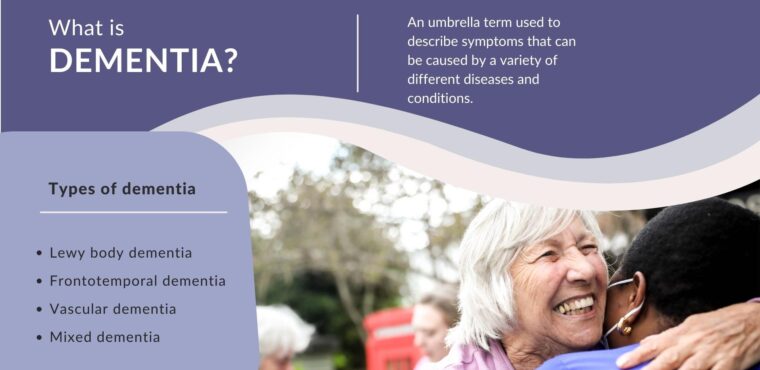
The most important difference between Alzheimer’s and dementia is that Alzheimer’s is a specific disease, while dementia is an umbrella term used to describe symptoms that can be caused by a variety of different diseases and conditions. Alzheimer’s disease specifically affects the brain cells responsible for memory, language, and thinking. Dementia, on the other hand, refers to a general deterioration of cognitive function. While Alzheimer’s is the most common cause of dementia, there are many other potential causes as well, including Lewy body disease, frontotemporal lobar degeneration, and vascular dementia.


The Different Types of Dementia

Each type of dementia has its own set of symptoms and prognosis. Alzheimer’s accounts for 60-80% of cases. Other types of dementia include:

  • Lewy body dementia
  • Frontotemporal dementia
  • Vascular dementia
  • Mixed dementia (a combination of two or more types).


Alzheimer’s disease: Characterized by memory loss, confusion, and difficulty with tasks that require planning and judgment.

Lewy body dementia: Second most common type of dementia, and is characterised by changes in mood and behaviour, as well as problems with movement and balance.

Frontotemporal dementia: Affects the frontal and temporal lobes of the brain, causing changes in personality and behaviour.

Vascular dementia: Occurs when there are problems with blood flow to the brain, typically due to a series of small strokes.


Dementia can lead to a decline in physical and cognitive abilities. Physical abilities may decline due to muscle weakness and problems with balance and coordination. Cognitive abilities may decline due to memory loss and difficulty with planning and judgment. Dementia can also cause changes in mood and behaviour, which can be a challenge for caregivers and loved ones.


How to Diagnose Dementia

If you suspect that you or a loved one may be suffering from dementia, it is important to see a doctor for an accurate diagnosis. Dementia is diagnosed through a clinical evaluation, which includes taking a medical history, conducting a physical exam, and ordering tests to assess cognitive function.


The most important test for diagnosing dementia is the cognitive assessment, which measures memory, attention, language skills, and other thinking abilities. A score of 26 or below on this test indicates dementia. Other tests that may be used to diagnose dementia include brain imaging (CT or MRI scan) and blood tests to rule out other causes of cognitive decline.


Once dementia is diagnosed, it is important to work with a doctor to develop a treatment plan. There is no one-size-fits-all approach to treating dementia, but strategies may include medications to manage symptoms, therapies to improve cognition and function, and support for caregivers.


How Alzheimer’s Effects Memory, Language and Mood

The most common symptom of Alzheimer’s disease is memory loss. This can include forgetting recent events, conversations or people’s names. People with Alzheimer’s may also have difficulty planning or solving problems, and they may experience changes in their mood and personality.


As the disease progresses, people with Alzheimer’s may lose the ability to communicate and follow simple instructions. They may also become confused about time and place, and they may wander off from home. In the late stages of the disease, people with Alzheimer’s may need help with all aspects of their daily care.


There is no one test that can definitively diagnose Alzheimer’s disease. Doctors typically look for a combination of symptoms, including an assessment of a person’s medical history, physical exam and cognitive testing. A diagnosis of Alzheimer’s disease can be made only after ruling out other potential causes of cognitive decline, such as stroke or drug interactions.


Telling a Loved One They Have Dementia

When a family member or close friend is diagnosed with dementia, it can be difficult to know how to break the news. You may feel shocked, scared, and unsure of what to say or do. It’s important to remember that each person experiences dementia differently, so there is no one “right” way to tell them about their diagnosis.


The most important thing is to be honest and open with your loved one. They have a right to know what is happening with their health and should be involved in decisions about their care. If possible, include other family members or friends in the conversation so that they can offer support and answer any questions your loved one may have.


Be prepared for your loved one’s reaction. They may feel angry, sad, or relieved – or some combination of these emotions. It’s okay to cry together or simply just be there for each other in silence. What’s most important is that you provide reassurance that you will still be there for them, no matter what changes occur as their dementia progresses.


Treatments for Dementia

There is no one-size-fits-all answer to the question of how to treat dementia, as the approach that works best will vary depending on the individual and the type of dementia they have. However, there are some general principles that can be followed when it comes to treating this condition.


The first step is to try and identify the cause of the dementia, as this can help inform the treatment plan. If there is an underlying medical condition causing the dementia, then treating this can often improve symptoms or even reverse the condition entirely. It is also important to address any physical or mental health problems that may be contributing to the dementia, such as depression, anxiety, or sleep disorders.


Once any underlying causes have been addressed, there are a number of ways to help manage symptoms and improve quality of life for someone with dementia. There are many different types of medication available that can help with things like memory loss, confusion, and agitation. There are also a number of therapies that can be beneficial, such as cognitive stimulation therapy (CST), which has been shown to improve cognition in people with Alzheimer’s disease.


It is also important to provide support and assistance to caregivers of people with dementia. This can include things like respite care (short-term breaks from caregiving), support groups, and education on how best to provide care.

What is the difference between a residential care home and a nursing home?

By 19th October, 2022 Care, Care Home, Dementia, Family Related Matters Comments Off

When it comes to a time when you need to start reviewing care options for a family member or loved one, it can be a daunting experience. There are various different options and different terminology to navigate, how do you make sure your loved one is going to be properly looked after?


One of the most commonly asked questions is, “what is the difference between a care home and a nursing home?” Put simply, a nursing home has a nurse on-site 24/7 and is therefore a better option for those with greater medical needs. However, the majority of elderly do not need this, they require more support and are no longer able to live at home independently. A care home is best for those who are unable to look after themselves properly due to old age. This may mean they are no longer able to wash themselves, they may have mobility issues or perhaps then need extra support with toileting.


A care home is able to administer drugs to those who need it, however if they require a new prescription there won’t be a nurse on site, instead, they would call a doctor to assess the resident and issue a new prescription.


Some care homes, might have an area of old age they specialise in. For us, at Fairdene Lodge, that is dementia. This means our staff have experience in looking after people suffering with dementia. They have had training to deal with the challenges that surround looking after those with dementia and the home is designed with those people in mind. For example, the corridors are colour coded to help residents navigate and we use photos and words on room doors to ensure residents can find their room more easily.


As you can imagine, having a nurse on site is expensive and therefore the fees of a nursing home can be considerably higher than those of a care home. Currently (April 2022), a nursing home is on average £180 per week more expensive, over a year this would be over £9000 more expensive than a residential care home.


So, how do you know whether your loved one needs a nursing home? The best place to start is with a needs assessment: https://www.gov.uk/apply-needs-assessment-social-services.  For Sussex the first part of the process is to fill out an online self-assessment and there is a different one for East or West Sussex: East Sussex: https://adultsocialcare.eastsussex.gov.uk/web/portal/pages/preclientasspage

West Sussex: https://www.westsussexconnecttosupport.org/s4s/FormDetails/FillForm?formid=214

Once you have completed the form a member of the social care team will get in contact to discuss your needs in more detail. Depending on what those needs are will determine the next part in the process.


We know getting the help and care you need for a loved one isn’t always easy, we are happy to help guide you through the process. If you would like to discuss your care needs (for you or a loved one), arrange a visit or have a chat about how we can help, please get in touch.

Six reasons to choose Fairdene Lodge

By 20th September, 2022 Care, Care Home Comments Off
  1. A different type of care

Each of our residents is an individual, a part of the family, and we care for them as such. Each resident has their own care plan uniquely designed for their likes, dislikes and personality. We organise entertainment and outings based on their hobbies and interests from excursions to football (playing and watching!) to trips to Marks and Spencer, even the odd boxing match.


  1. A beautiful home

Our home has been lovingly decorated and furnished to feel like home from home. With helpful colour coding to aid those suffering with dementia to find their way around. All rooms have their own Alexa (loaded with favourite music and stories) or TV for when guests prefer to be on their own.


  1. Outside Space

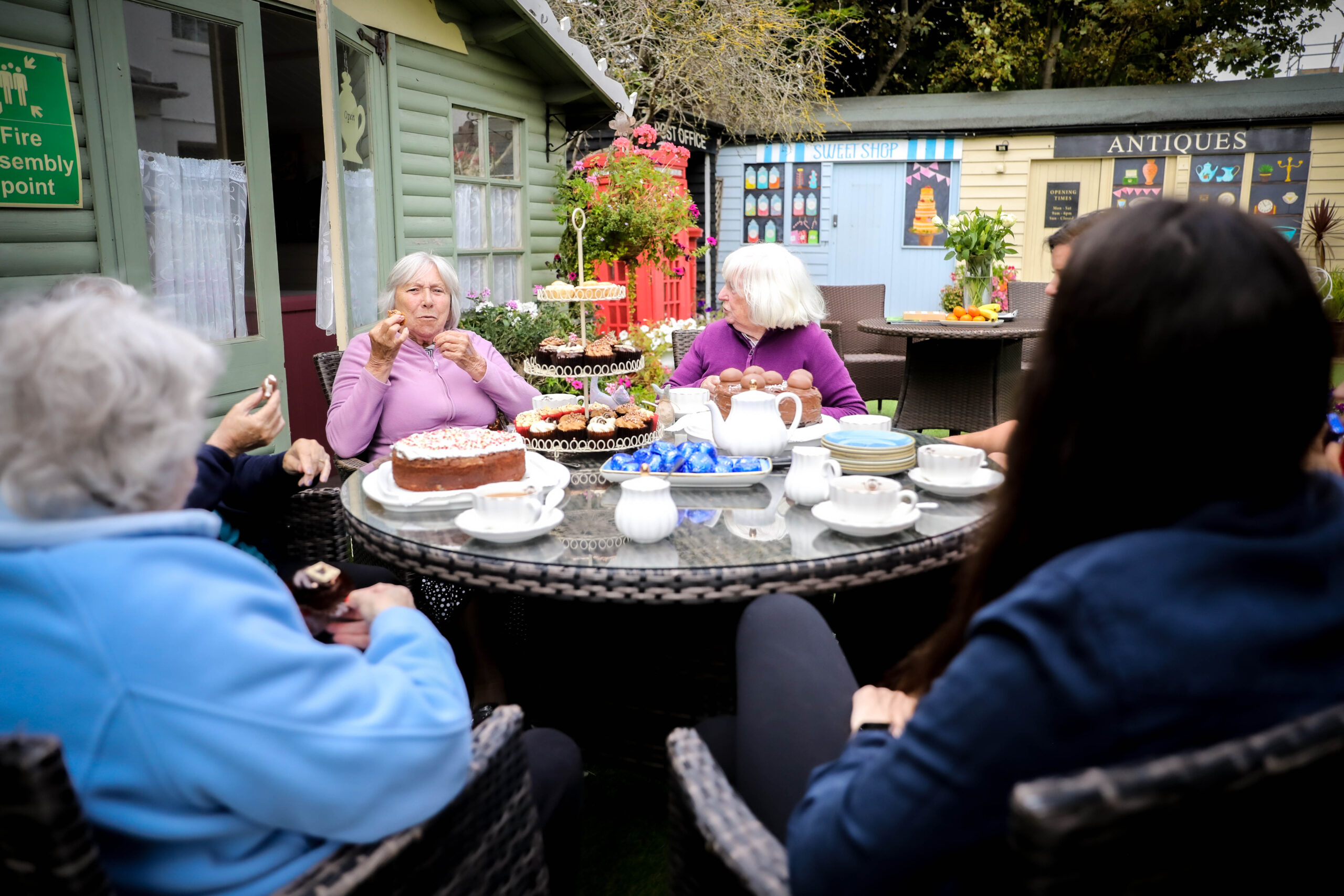
Outside we have a beautifully kept garden with flowers and plants for those green-fingered residents to get involved with, if they wish. Or simply to meet with friends, have a cup of tea or just relax in beautiful surrounding. We also have a tearoom where residents will find some tasty treats and comfy chairs to enjoy.


  1. Food fit for a King and Queen

Our resident chef creates tasty, nutritious meals catering for all dietary requirements. The benefits of fresh fruit, vegetables and a home-cooked meal for those suffering with dementia have been widely documented, so we keep a balanced diet from the Med. We also have lots of tasty treats and a regular tea and cake slot!

  1. We listen

We like to involve our residents in the decision-making, taking their feedback on board to make their home… theirs! We have meetings to discuss the menu, décor, activity programme and endeavour to meet every resident’s requirements.


  1. Dementia Specialists

This is a family run business and has been a part of our family since 1984. During this time, we have grown and developed and most importantly learnt a lot, and we continue to learn. Dementia residents have different needs when it comes to care. We keep up to date with the latest research to help understand our residents and offer them the best possible care.


If you would like to discuss our home for you, a relative or someone you care for, we would be more than happy to arrange a visit or answer any questions you may have over the telephone. Please get in touch.

What is the Care Quality Commission?

By 27th June, 2022 Care, Care Home Comments Off

The Care Quality Commission (CQC) is set up to regulate all health and social care services in England. As independent regulators, their purpose is extremely simple. They want to ensure that health and social care services are provided to the highest standards possible throughout England. Moreover, they wish to ensure that people in care receive these services safely and effectively, doing everything in their power to improve the general care services industry.


How does the Care Quality Commission maintain care home standards?

A big part of what the CQC does revolves around assessing care homes to ensure they stay at a high standard. Assessments tend to involve inspections, leading to each care home receiving a rating via an inspection report. Typically, a care home inspection will involve observing the care provided by members of staff, as well as looking at people’s records to see if their needs are being managed correctly.


Following the inspection, a rating is provided on this scale:

  • Outstanding – the care home exceeds expectations
  • Good – the care home performs to the recommended standards
  • Requires improvement – the care home needs to improve its service
  • Inadequate – the care home is performing badly and action is taken against the organisation


By constantly inspecting care homes, the CQC ensures that nothing flies under the radar. It supports care homes and care providers in improving and maintaining their standards. Fines can be handed out to facilities that achieve the inadequate rating, and prosecutions can also be made in extreme cases.


The outstanding rating is given to care homes who go above and beyond to deliver the best possible level of care and has processes in place to continue to improve their service offering putting their residents and team at the heart of everything they do.


A CQC inspection is taken seriously by all those in the care industry, it is important to maintain a good level of care for all those involved. The CQC inspections and processes mean that individuals across the country will receive a higher level of care services that are built around their individual needs.


To read our latest CQC inspection, click here.

The benefits of pets or animals for the elderly

By 28th January, 2022 Care, Care Home Comments Off

The benefits of human-animal interaction have been proven in studies over many years now. There’s a reason dogs are dubbed man’s best friend; they provide friendship and companionship to their owners. But that’s not all, there are scientific studies which show that animals can have a positive effect on blood pressure, reducing stress, anxiety and improving the lives of those with Alzheimer’s disease. Therapy dogs are especially good at this and often brought into hospitals and nursing homes to help reduce patients stress and anxiety.

For the elderly one of the main benefits of having a pet is companionship.  For those living on their own life can be lonely and isolating, even more so over the last couple of years. Having a pet such as a dog or cat offers affection, loyalty and companionship which people may otherwise not have. They may go for days without seeing or speaking to anyone and a pet can be especially comforting to have around the house if they’ve lost a loved one and the house seems quite and empty. They can also bring in a routine and responsibility which may otherwise have been lost, for example feeding at regular times and exercising them.

Interacting with animals can also reduce cortisol, which is the body’s stress hormone. So even simple things such as watching the birds out of the window can reduce stress. Maybe try getting a bird feeder on the windowsill to encourage them.

Exercise is a great benefit to owning a pet, obviously depending on the type of pet, I’m not sure how much exercise you’d get watching your fish swim in the tank! But taking a dog for a walk or playing with a cat can help get you up and moving your body. It can also help with socialisation.

If mobility is an issue though caring for a dog or cat may be too much. Studies have shown that watching fish swim in a tank can also relive stress, lower blood pressure and heart rate. There has even been documented health benefits for those with Alzheimer’s disease showing improvements in alertness and eating habits. And it doesn’t need to be in a living tank, even watching fish or animals on the television have also shown to have positive effects on wellbeing.

If you are thinking of getting a pet, please remember that it is a responsibility for the owner. It can be physically demanding so a puppy with lots of energy, running in between legs might not be the best choice. Think about your situation, what you can realistically and physically manage and perhaps opt for something a little lower maintenance.

Whatever you decide, having pets in your life whether yours, borrowed or even watching wildlife on the television can benefit your health and mental wellbeing.

The different types of dementia and how to recognise the symptoms

By 10th December, 2021 Care, Care Home Comments Off

The word dementia describes a set of symptoms such as memory loss, difficulty concentrating, confusion and forgetfulness. Dementia is caused by diseases that affect the brain. Here we look at the different types of dementia and the common symptoms.

ALZHEIMER’S DISEASE 

Probably the most well-known and common form of dementia. With Alzheimer’s connections between brain cells are lost because of the build-up of proteins which build abnormal structures. It is a progressive disease and over time more parts of the brain are damaged, as this happens symptoms worsen and more develop.

Common symptoms

Memory: problems with memory may occur such as losing things, forgetting names, getting lost and difficulty recalling words.

Speech: you may find that people repeat themselves or say a different words to those they mean.

Concentration: difficulty concentrating or organising, this can make everyday tasks challenging.

Orientation: it’s quite common for people with Alzheimer’s disease to forget where they are and get lost or not remember the day or year.

Mood: mood changes are common in the early stages, and you may find they become very anxious, depressed, or easily annoyed.

VASCULAR DEMENTIA

This is the second most common cause of dementia. Some people have both vascular dementia and Alzheimer’s disease which is called Mixed Dementia. Vascular dementia is caused when inadequate blood flow can’t get to the brain due to diseased blood vessels.

Although memory loss is common in most types of dementia, it’s not usually one of early symptoms of Vascular dementia.

Common Symptoms

Concentration: people may have difficulty concentrating or organising, following simple steps and slow thought processes, this can make everyday tasks challenging.

Speech: people may become less fluent in their speech.

Mood: mood swings are also common in the early stages you may find people become anxious or depressed; this may be due to them noticing the difficulties of the disease.

Physical: loss of bladder control is common in people with subcortical vascular dementia, and they also become prone to falls often due to weakness in the body. People with post-stroke vascular dementia may have weakness or paralysis in a particular part of the body dependant on which part of the brain was affected.


FRONTOTEMPORAL DEMENTIA 

This is one of the less common types of dementia and you may know it as frontal lobe dementia or Pick’s disease. It’s caused when there is damage to the frontal or temporal lobes of the brain.

Common Symptoms

Behavioural variant FTD causes problems with behaviour and personality.

Primary Progressive Aphasia causes language problems.


MIXED DEMENTIA 

About 1 in 10 people with dementia have mixed dementia, this is when they have more than one type of dementia. The most common form is Alzheimer’s disease with Vascular Dementia.

Common Symptoms

The symptoms are a mixture dependant on the mix of types of dementia, most commonly you’ll see one set of symptoms is more dominant.


LEWY BODY DEMENTIA 

Dementia with Lewy bodies is caused by clumps of protein (Lewy bodies) in the nerve cells of the brain. Approximately 1 in 10 people with dementia have this.

Common symptoms

Concentration: problems staying focussed, making decisions and memory loss.

Hallucinations: these can be visual; seeing things that aren’t there which might be shapes, animals or people or auditory; hearing sounds or evens smelling or feeling things that aren’t there.

Sleep: problems can occur with sleep, both disturbed sleep at night and falling asleep very easily during the day.

Physical: you may see problems such as stiff limbs, limited facial expressions, being unbalanced and having difficulty walking.

There are also some rarer causes of dementia such as Huntington’s disease, Parkinson’s disease and Creutzfeldt-Jakob disease (CJD), approximately 1 in 20 people with dementia in the UK have a rarer type and symptoms can vary.

With most types of dementia however, the symptoms usually start off mild. They progress very gradually, and if you have them, you may not notice them. Dementia symptoms are different from naturally slowing down as we age, occasionally forgetting things and our thought processes generally slowing, as dementia symptoms are caused by disease. Because of this it can be hard to recognise the early stages in a friend or loved one. If you’ve noticed that a person is struggling to remember what they did the day before, is forgetting names of objects or people or perhaps they are repeating things over and over then it’s a good idea to encourage them to see their GP.

Lifting the Stigma on Elderly Care

By 22nd October, 2021 Care, Care Home Comments Off

It is a fact of life, from the moment we are born, we start getting older and if we are lucky enough to live to an old age, it is likely we may come to a point where we can no longer care properly for ourselves and we may need some extra support. And yet this is something none of us want to admit or even think about, but if we are all going to need it, why is there such a stigma around elderly care and what can we do to change future perspective?


Perhaps, by thinking negatively about getting old and frail and not being able to look after ourselves we are the problem. Constantly in the media and movies, people in older age are depicted negatively, whether it’s as a burden to the family, or someone who is unable to look after themselves, the older generations do not get painted in a good light. And yet so many of us are staying healthy and active into our older years and nothing like the old frail image portrayed by the media.


And so, if we focussed on positivity and promoting healthy living and wellbeing, using positive images of those in their older years enjoying independence and living life to the full, perhaps we would be able to adjust the perception of getting old.


And yes, there may come a time when we need a bit of extra support to look after ourselves. And this is where the care industry needs to step up. Treating each person as an individual, supporting their needs and wishes and getting to know them will help to ensure they are cared for in a compassionate and dignified manner.


We continue to promote person-centred care and maintaining independence in our home. We want all our residents to feel like they are at home, not in a stereotypical care home or “God’s Waiting Room” as they are so crassly referred to at times. We create a family home environment by including our team in the daily activities and entertainment. We also find activities and outings that are personal to our residents, for example we have one resident who used to be a boxing promoter so we take him to the local boxing gym. Another resident has given us tennis lessons while others enjoy a trip to M&S.


Getting old doesn’t have to be a sad and lonely time and we feel each of us plays our own part in removing the stigma around elderly care – come and see for yourself – our warm and friendly home will hopefully change your perspective on how growing old should be!