We are looking forward to a fun packed June, kicking off with a fabulous afternoon of entertainment to celebrate the 80th D-Day Anniversary. Our residents have already started getting in the spirit colouring in the flags to decorate our home.





Home Maria Welch Page 2
We are looking forward to a fun packed June, kicking off with a fabulous afternoon of entertainment to celebrate the 80th D-Day Anniversary. Our residents have already started getting in the spirit colouring in the flags to decorate our home.
The month continues with sports, music, prayer, and so much more. We are hoping to finally see some better weather so we can spend more time in the garden and get down to the beach for some sea air!



We couldn’t forget Father’s Day where we look forward to welcoming in family and friends for coffee and treats! We always look forward to treat time at Fairdene!

February was a busy month for our residents, with a fun-filled entertainment programme. We started with our monthly Church Service where our residents can join in a regular church celebration with our local church if they wish.
Then it was pancake day and we were delighted to be joined by our local nursery for a very special breakfast. The children and residents had a lovely morning chatting and enjoying tasty pancakes from our in-house chef Indra.

Pancake Day was followed swiftly by Valentine’s Day where residents enjoyed some ball games!! Rise join us each month to help keep our residents active and this month their visit just happened to coincide with Valentine’s Day!
 After all that activity we very much enjoyed our Valentine’s Afternoon tea, lovingly prepared by Indra.
We then enjoyed music therapy. Music is such a lovely way to bring back memories and reminisce about times gone by. We love filling our home with music and dancing!
We finished the month off with pet therapy. The residents love when the animals come to visit, and enjoyed meeting some new furry friends!


Imagine a world where memories fade like shadows, identities dissolve into thin air, and loved ones become strangers. This is the haunting reality of dementia – an insidious condition that relentlessly steals away our most cherished moments. And as the clock ticks towards 2040, a chilling forecast looms over us: the number of dementia cases is expected to double. Brace yourself for an eye-opening exploration as we unveil the factors driving this alarming surge in dementia cases and discover potential solutions to stem this heart-wrenching tide.
Dementia is a broad term used to describe a range of symptoms that affect memory, thinking, and social abilities. It is a progressive condition that can greatly impact an individual’s daily life and their ability to carry out simple tasks. As the population continues to age, the number of people living with dementia is expected to rise significantly.
According to recent studies and projections by the World Health Organization (WHO), it is estimated that 50 million people worldwide currently live with dementia. This number is expected to double by 2040, reaching a staggering 100 million individuals. This predicted increase in dementia cases has raised concerns among healthcare professionals and researchers alike.
One of the main reasons for this significant rise in dementia cases is due to our aging global population. As medical advancements continue to improve, people are living longer than ever before. By 2050, it is projected that one-fifth of the world’s population will be over the age of 60, compared to one-tenth in 2011. With increasing age comes an increased risk of developing dementia – approximately one in three people over the age of 85 have some form of dementia.
Another factor contributing to the rise in dementia cases is lifestyle changes. Our modern way of living has led to an increase in conditions such as obesity, diabetes, and high blood pressure – all known risk factors for developing dementia. Additionally, sedentary lifestyles and poor diets can also contribute to cognitive decline.
While age is considered the biggest risk factor for developing dementia, there are several other factors that contribute to this alarming trend.
As mentioned earlier, increasing age is the most significant risk factor for dementia. With advancements in healthcare and technology, people are now living longer lives than ever before. The World Health Organization (WHO) estimates that the global population aged 60 years and above will reach 2 billion by 2050, up from approximately 900 million in 2015. This unprecedented growth in the aging population means that more people are at risk of developing dementia as they age.
Several lifestyle factors have been linked to an increased risk of developing dementia. These include smoking, excessive alcohol consumption, poor diet, lack of physical exercise, and obesity. Studies have shown that individuals who engage in unhealthy behaviours such as smoking and excessive drinking have a higher likelihood of developing cognitive impairments later in life.
Moreover, following an unhealthy diet or not engaging in regular physical activity can lead to conditions like diabetes and heart disease – both known contributors to cognitive decline and dementia.
While not everyone with a family history of dementia will develop the condition themselves, genetics plays a crucial role in determining an individual’s susceptibility.
Lifestyle choices that can increase the risk of developing dementia.
While there are many factors that contribute to the development of dementia, lifestyle choices play a significant role. In this section, we will explore some of the lifestyle choices that can increase the risk of developing dementia.
Leading a sedentary lifestyle, characterised by little or no physical activity, has been linked to an increased risk of developing dementia. Regular exercise helps improve blood flow to the brain, which is essential for maintaining healthy brain function. It also stimulates the production of new nerve cells and promotes neural connections vital for memory and learning.
Eating an unhealthy diet high in processed foods, saturated fats, and refined sugars can have detrimental effects on both our physical and mental health. These types of food not only increase cholesterol levels but also lead to inflammation in the body, including the brain. Studies have shown that inflammation in the brain can damage neurons and contribute to cognitive decline.
Smoking is known to be harmful to overall health, but it may also increase the risk of developing dementia. The toxic chemicals in cigarette smoke can damage blood vessels and reduce oxygen supply to the brain, leading to cognitive impairment over time.
Excessive alcohol consumption has been linked to an increased risk of cognitive decline and dementia. Long-term heavy drinking damages brain cells and disrupts communication between neurons. This leads to memory loss, confusion, and other cognitive impairments.
Engaging in mentally stimulating activities, such as reading, puzzles, or learning a new skill, is crucial for maintaining brain health. Not challenging our brains can lead to a decline in cognitive function and increase the risk of dementia.
Chronic stress has been linked to an increased risk of developing dementia. Prolonged exposure to stress hormones can damage brain cells and impair memory and other cognitive functions.
Getting enough restorative sleep is essential for both physical and mental health. During sleep, the brain flushes out toxins accumulated during the day and consolidates memories. Chronic sleep deprivation has been linked to an increased risk of developing dementia later in life.
Repeated head injuries have been associated with an increased risk of developing dementia later in life. It is essential to take precautions to prevent head injuries, especially in high-risk activities like sports or occupations that involve repetitive head trauma.
In conclusion, making healthy lifestyle choices can significantly reduce the risk of developing dementia. It is never too late to adopt healthy habits that can improve overall well-being and protect against this debilitating condition.
Strategies for reducing the risk of developing dementia.
One crucial aspect of managing dementia is early detection and diagnosis. Detecting dementia early on can greatly benefit both the individual affected by it and their loved ones. It allows for timely interventions and appropriate management strategies to be put in place, which can improve quality of life and slow down disease progression.
In a world that constantly evolves, one thing remains constant – the power of understanding and empathy. Yet, when it comes to dementia, many find themselves in a whirlwind of public misunderstandings and misconceptions. It’s disheartening to witness our loved ones battling this unyielding condition while society struggles to grasp its true nature. Let’s see how together we can bridge the gap between public perception and the reality faced by those affected by dementia every day.
Dementia is a term used to describe a group of symptoms that affect memory, thinking, and social abilities severely enough to interfere with daily activities. It is a progressive disease that primarily affects older adults, but can also occur in younger individuals.
Unfortunately, despite its prevalence and impact on individuals and families, dementia remains widely misunderstood by the general public. This lack of understanding can lead to significant challenges for those living with dementia and their loved ones.
Myths vs. Facts: Exposing Common Misconceptions about Dementia
One of the biggest misunderstandings about dementia is that it is a normal part of aging. In reality, while age is a risk factor for developing certain types of dementia (such as Alzheimer’s disease), it is not an inevitable part of getting older. Dementia is caused by various diseases or conditions that damage brain cells over time.
Another misconception is that all people with dementia are forgetful or confused all the time. While memory loss and confusion are common symptoms in many types of dementia, not everyone experiences these symptoms in the same way or at the same severity level. Some individuals may have more trouble with language or motor skills instead.
The role of genetics in developing dementia also tends to be misunderstood. While family history can increase one’s risk for certain types of dementia (such as early-onset Alzheimer’s disease), it is not a guarantee that someone will develop the condition. Lifestyle factors, such as diet and exercise, also play a significant role in dementia risk.
One of the most harmful misunderstandings about dementia is that people with the condition are no longer capable of living fulfilling lives or contributing to society. While it is true that dementia can impact an individual’s abilities, it does not mean they are no longer valuable members of their communities. People with dementia can still participate in activities they enjoy and make meaningful connections with others.
The Importance of Accurate Understanding
Misunderstandings about dementia can lead to stigma, discrimination, and barriers to care for those living with the condition. It can also prevent individuals from seeking help and support when needed. By educating ourselves and others about the realities of dementia, we can promote more compassionate and inclusive attitudes towards those affected by this disease.
The impact of public interference on those with dementia and their caregivers
Living with dementia can be an overwhelming and challenging experience, not only for those diagnosed with the disease but also for their caregivers. The journey of managing symptoms, adapting to new changes, and coping with the emotional toll can be much more difficult when faced with public interference and misunderstanding.
The impact of public interference on those with dementia:
Public interference refers to the unwanted and often negative interactions that individuals living with dementia may face in public settings due to misunderstandings about their condition. This could include patronising behaviour, discrimination, or even ridicule from strangers who are unaware of the individual’s diagnosis.
For people living with dementia, these interactions can be stressful and disorienting. They may feel confused or embarrassed by how others are treating them. It can also lead to feelings of isolation and a loss of self-esteem as they struggle to maintain their independence while dealing with a misunderstood condition.
Impact on caregivers:
Caregivers of individuals living with dementia also bear the brunt of public interference. They often have to deal with stares, comments, or judgmental reactions from others when out in public with their loved ones who have dementia. This added stress can make it even more challenging for caregivers to provide care and support for their loved one.
Furthermore, public interference can also result in feelings of guilt or shame for caregivers as they may feel responsible for protecting their loved one from such negative experiences. It can also add to caregiver burnout as they constantly navigate through society’s lack of understanding about dementia.
Strategies for coping with public misunderstandings, including communication techniques and setting boundaries
Dealing with public misunderstandings of dementia can be difficult and frustrating. It can be even more challenging when these misunderstandings come from people we interact with on a regular basis, such as friends, family members, or colleagues. Here are some effective strategies for coping with public misunderstandings of dementia.
How to educate others about dementia in a positive and effective way
Unfortunately, due to lack of education and awareness, many people have a negative perception of dementia which can lead to stigma, discrimination, and isolation for those affected by it. As caregivers or loved ones of someone with dementia, it is crucial to educate others about this condition in a positive and effective way to break down these barriers.
Here are some tips on how you can educate others about dementia in a positive and effective way:
In conclusion, educating others about dementia requires patience, compassion, and a willingness to challenge preconceived notions. By using person-centred language, sharing personal experiences, and providing factual information, you can help break down the stigma surrounding this condition and promote a more positive understanding of dementia.

In an era where mental agility and sharpness are valued more than ever, we find ourselves on a mission to find ways to optimise our brainpower. And what better way to start than by exploring the delicious array of nutritious foods that can nourish our minds? From powering up memory to enhancing focus, ensure you harness the full potential of these nutritional strategies for cognitive health.
Understanding Dementia and its Impact on Cognitive Health
Dementia is a progressive brain disorder that affects millions of people worldwide, with an estimated 47 million cases in 2019 and a projected increase to 131.5 million by 2050 (World Health Organization). It is characterised by a decline in cognitive function, including memory, thinking, behaviour, and the ability to perform daily activities. As we age, our risk of developing dementia increases – with the majority of cases occurring after the age of 65.
One key aspect of understanding dementia is knowing that it does not just affect memory loss; it also impacts other areas such as language skills, decision-making abilities, judgment, attention span, orientation in time and space, and motor functions (Alzheimer’s Society).
The Role of Nutrition in Dementia Prevention and Management
There is growing evidence that a person’s diet plays a crucial role in both the prevention and management of dementia. A poor diet can increase the risk of developing dementia, while a healthy and balanced diet can help improve cognitive function and delay its onset.
So what exactly does nutrition have to do with dementia? Let’s take a closer look at the role it plays in both preventing and managing this condition.
Prevention:
Research has shown that certain dietary patterns are associated with an increased risk of developing dementia. A high intake of saturated fats, refined sugars, processed foods, and alcohol has been linked to an increased risk of cognitive decline.
On the other hand, following a Mediterranean-style diet rich in fruits, vegetables, whole grains, legumes, nuts/seeds, fish/seafood and olive oil has been associated with a reduced risk of developing dementia. This type of diet provides essential nutrients such as antioxidants (vitamins C & E), B vitamins (B6 & B12), omega-3 fatty acids (found in fish/seafood), and polyphenols (found in fruits/vegetables) that have neuroprotective properties.
In addition to following a healthy dietary pattern, there are specific nutrients that have been found to be particularly beneficial for dementia prevention:
Management:
For individuals already living with dementia, nutrition plays an essential role in managing symptoms and improving overall quality of life. People with dementia often have difficulty maintaining a balanced diet, which can lead to malnutrition and exacerbate their symptoms.
Here are some ways nutrition can help manage dementia:
Brain-Boosting Foods to Incorporate in Your Diet
Incorporating brain-boosting foods into your diet is a simple yet effective way to improve your cognitive health. These types of foods are rich in nutrients that can enhance brain function, protect against age-related declines, and even help prevent the onset of diseases such as Alzheimer’s and dementia.
In conclusion, nutrition plays a crucial role in both preventing and managing dementia. Following a healthy dietary pattern that includes essential nutrients can help reduce the risk of developing dementia and slow its progression. For individuals already living with dementia, proper nutrition is essential for maintaining overall health and quality of life. Consult with a healthcare professional or registered dietitian for personalised recommendations on how to incorporate a brain-healthy diet into your lifestyle.
While striving to provide the best possible support for your loved one, you are faced with many challenges. One of those difficult topics is: what do you do when they refuse care? It’s an issue that many families grapple with, so let’s try and unravel the complexities of the situation and offer some guidance on navigating these uncharted waters.
The different types of dementia
Dementia is a broad term that encompasses various conditions, each with its own distinct characteristics. While Alzheimer’s disease is perhaps the most well-known form of dementia, there are others worth exploring.
One such type is vascular dementia, which occurs as a result of impaired blood flow to the brain. This can be caused by conditions like stroke or small vessel disease. Vascular dementia often presents with difficulties in thinking, problem-solving, and memory.
Another type is Lewy body dementia (LBD), characterized by the presence of abnormal protein deposits called Lewy bodies in the brain. LBD can lead to fluctuations in attention and alertness, visual hallucinations, and movement problems akin to Parkinson’s disease.
Frontotemporal dementia (FTD) primarily affects the frontal and temporal lobes of the brain. It causes changes in behaviour, personality shifts, language impairments, and challenges with executive functions like decision-making.
These are just a few examples among many other forms of dementia such as mixed dementia (a combination of different types) or less common variants like Creutzfeldt-Jakob disease or Huntington’s disease.
Understanding these distinctions helps caregivers tailor their approach to meet specific needs associated with each type of dementia. By recognising individual symptoms and patterns unique to each form of this complex condition, appropriate care strategies can be implemented for optimal support.
The effects of refusing care on the patient
When a dementia patient refuses care, it can have significant effects on their well-being and overall quality of life. Refusing care may lead to an increased risk of physical health issues. For example, if the patient refuses assistance with activities of daily living such as bathing or dressing, they may become more prone to infections or injuries. Additionally, refusing medication or medical treatments can exacerbate existing health conditions.
Furthermore, refusing care can also have emotional and psychological consequences for the patient. They may feel frustrated or overwhelmed by their declining abilities and independence. This could result in feelings of sadness, anger, or anxiety. Moreover, when a dementia patient refuses care, it puts additional strain on their caregivers and loved ones who are trying to provide support.
In some cases, family members may experience guilt or helplessness when faced with a loved one’s refusal of necessary care. It is important for families to seek guidance from healthcare professionals who specialise in dementia caregiving strategies. By understanding how to approach these situations with compassion and patience, families can better navigate the challenges that arise when a dementia patient refuses care.
Overall, the effects of refusing care on a dementia patient cannot be underestimated.
It is crucial for caregivers and family members to address this issue promptly, seek professional advice, and find ways to ensure the safety and well-being of your loved one.
By working together with healthcare professionals, you can develop strategies
to overcome these obstacles and provide optimum support or individuals living with dementia.
The family’s role in care
The family plays a crucial role in the care of a dementia patient. When a loved one refuses care, it can be challenging and emotionally distressing for everyone involved. However, there are steps you can take to navigate this difficult situation.
Communication is key. It’s important to openly discuss your concerns with the family and with the patient. This allows everyone to understand each other’s perspectives and find common ground.
Empathy is also essential when dealing with a loved one who refuses care. Put yourself in their shoes and try to understand why they may be resistant. Dementia often affects judgment and reasoning abilities, so it’s crucial to approach with patience and compassion.
It may be a good idea at this stage to seek professional help. Consultation with healthcare professionals or joining support groups can provide guidance on how to handle specific situations related to refusing care.
Additionally, involving the dementia patient in decision-making processes can empower them and give them a sense of control over their own lives. Encourage them to express their preferences whenever possible while still ensuring their safety and well-being.
Self-care is vital for family members caring for someone with dementia. It’s easy to become overwhelmed or burnt out, but taking breaks and asking for assistance from other family members or hired caregivers can prevent caregiver fatigue.
Caring for a loved one with dementia can be incredibly challenging, especially when they refuse care. It’s important to remember that their refusal is not personal and is often a result of their cognitive decline. By understanding the different types of dementia and the effects of refusing care on the patient, you can approach the situation with empathy and patience.
When faced with a refusal of care, it’s crucial to involve healthcare professionals who specialise in dementia. They can provide guidance and support in developing strategies tailored to your loved one’s unique needs. Additionally, reaching out to support groups or organisations dedicated to dementia care can offer valuable resources and reassurance.
Family members play a vital role in caregiving for individuals with dementia. It’s essential to communicate openly and honestly with other family members about your loved one’s condition and work together as a team. Consider attending educational programs or workshops on managing difficult behaviours associated with dementia; this knowledge will empower you to provide better care for your loved one.
Remember that self-care is equally important in this journey. Taking breaks, seeking respite services, or leaning on friends and extended family for support can help prevent burnout while ensuring that you are able to continue providing quality care for your loved one.
Caring for someone with dementia who refuses care requires patience, understanding, and adaptability. While it may feel overwhelming at times, by arming yourself with knowledge about different types of dementia, involving healthcare professionals early on, working together as a family unit, and prioritising self-care along the way – you can navigate this difficult road more effectively while keeping your loved one’s well-being at heart.
Remember: You are not alone in this journey! Reach out for help whenever needed because there are people ready to assist you every step of the way.

Unlock the secrets to a harmonious journey through life’s golden years as we delve into the incredible power of music and its remarkable impact on aging. From igniting nostalgic memories to enhancing cognitive abilities, join us on an exhilarating exploration of how this universal language can positively transform our minds, bodies, and souls. Embark on a melodic odyssey that will leave you tapping your feet, warming your heart, and embracing the beautiful symphony that accompanies every step of the aging process.
The elderly are often faced with many issues that can be helped through music therapy. For example, those who suffer from Alzheimer’s or dementia can use music to help them with memory recall and cognitive stimulation. Those who are dealing with depression or anxiety can benefit from the relaxation and distraction that music provides. And finally, those who are living with chronic pain can find relief through music’s ability to increase endorphins (the body’s natural painkillers).
Benefits of Music for the Aging Brain
As we age, our brains can experience a number of changes. But did you know that music can actually help to keep the aging brain healthy? Here are just a few of the ways that music can benefit the aging brain:
So if you’re looking for a way to keep your mind sharp as you age, consider making music a part of your life!
Types of Music Therapy for the Elderly
There are many types of music therapy that can be beneficial for the elderly. One type is receptive music therapy, which involves listening to music that is specifically chosen to meet the needs of the individual. This type of therapy can be used to help with relaxation, stress relief, pain management, and more.
Another type of music therapy is active music therapy, which involves participating in musical activities such as singing, playing instruments, or moving to the beat. This type of therapy can help improve mood, increase social interaction, and promote physical activity.
Both receptive and active music therapies have been shown to be beneficial for the elderly population.
We love music at Fairdene Lodge and regularly have live music events, and different musical entertainment for the residents and their families to enjoy. We had a great time this summer when the Daisy Belles came to visit playing 40’s, 50’s and 60’s music. The residents, staff and relatives were all dancing and singing along!
The Impact of Music on Emotional Wellbeing in Care Homes
It is widely accepted that music has the ability to affect our emotions. Studies have shown that music can be used as an effective tool to help improve emotional wellbeing, especially in older adults.
Music provides a sense of connection and companionship. It can also help to boost mood, reduce anxiety and promote relaxation.
There are many ways in which care homes can incorporate music into daily life. Residents could listen to music during mealtimes, take part in group singing sessions or dance along to their favourite tunes. There could also be opportunities to play musical instruments or attend live concerts. We like to take our residents out when we can and always ask the types of activities they would like to take part in. Each resident has an Alexa in their room loaded with their favourite music and we love having musicians to visit, so we can all sing and dance.
How Music Can Help with Cognitive Decline
While there is no one answer to cognitive decline, music has been shown to be a helpful activity in managing the symptoms. Participating in music therapy has been linked with better cognitive function and improved mental wellbeing in older adults.
In a study of adults over the age of 60, those who participated in eight weeks of music therapy had significantly improved scores on tests of verbal memory, executive function, and attention span. The participants also reported feeling more positive after completing the program.
Another study found that people with Alzheimer’s disease who participated in music therapy sessions showed improvements in mood and cognition. The music therapy group also had less anxiety and agitation than those who did not participate in music therapy.
These studies suggest that music can be a valuable tool in managing cognitive decline. If you are experiencing cognitive decline, talk to your doctor about whether music therapy could be right for you.
Tips for Incorporating Music into an Elderly Lifestyle
As we age, it becomes more important than ever to find ways to keep our minds active and engaged. One way to do this is by incorporating music into our lives. Music has been shown to have a number of positive impacts on the aging process, including reducing stress, improving mood, and even boosting cognitive function. Here are a few tips for incorporating music into an elderly lifestyle:
Conclusion
Music has the power to bring joy to our lives and help us navigate through times of hardship. As we age, music can play an important role in maintaining a sense of wellbeing, providing comfort during difficult transitions and inspiring moments of peace and harmony. By introducing music into our daily lives, we can find ways to positively impact the aging process and enjoy a harmonious journey into old age.
Imagine a world where the environment we live in has the power to positively impact the lives of those affected by dementia. A world where every corner, scent, and sound is carefully curated to enhance their well-being and quality of life. In this blog post, we dive deep into the remarkable benefits that environmental factors bring to dementia patients. From soothing natural landscapes to specialised lighting and music therapy, discover how simple yet powerful changes can make all the difference for our loved ones battling this challenging condition. Join us on a journey where science meets compassion, as we explore ways to create an environment that not only supports but uplifts individuals with dementia.
Introduction to Dementia
Dementia is a broad term used to describe the symptoms that occur when the brain is damaged or deteriorates. Symptoms can vary greatly from person to person, and range from mild memory loss to severe impairment of cognitive function.
While there is no cure for dementia, there are treatments available that can help manage the symptoms and improve quality of life. One important treatment approach is to create an environment that is supportive of the individual’s needs and abilities.
This may include adaptations to the home, such as installing handrails or removing obstacles, as well as engaging in activities that stimulate the mind and body. Environmental factors can play a key role in enhancing quality of life for dementia patients.
Environmental Factors That Enhance Quality of Life for Dementia Patients
There are many ways to enhance the quality of life for dementia patients, and one important way is through providing a positive environment. There are several environmental factors that can have a positive impact on those with dementia, and these include:
These are just a few of the ways that environmental factors can enhance quality of life for those with dementia. By creating a positive and supportive environment, we can make a significant difference in the lives of those affected by this disease.
– Stimulating Activities & Social Interaction
One of the most important things you can do to enhance the quality of life for a person with dementia is to provide opportunities for stimulating activities and social interaction. There are many different ways to do this, depending on the person’s interests and abilities.
Some ideas for activities include:
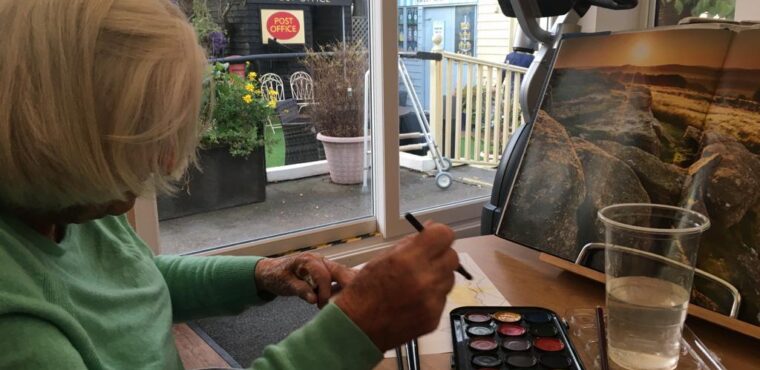
– Arts and crafts: Painting, drawing, sculpting, collage, jewellery making, etc.
– Music: Listening to music, singing, playing an instrument
– Exercise: Walking, light weights, yoga, Tai Chi
– Games: Cards, word games, memory games, puzzles
– Nature: Gardening, bird watching, walking outdoors
It’s also important to provide opportunities for social interaction. This can be done in small groups or one-on-one. Some ideas for social interaction include: conversation, sharing stories and memories, playing games together, going for walks together. It’s important to find activities that the person enjoys and that are appropriate for their abilities. If possible involve family and friends in these activities as well.
– Calming Spaces & Comforting Companionship
It’s no secret that spending time in nature can have a calming effect on the mind and body. Being in nature has been shown to lower levels of stress hormones, increase feelings of pleasure and wellbeing, and boost immunity. These effects are even more pronounced for those living with dementia. Studies have shown that time spent in nature can help reduce agitation, anxiety, and other forms of behaviour that can be challenging for both patients and caregivers. We are lucky to have a beautiful garden at Fairdene Lodge where residents can enjoy the outdoors and admire the flowers whenever they want. Some residents also enjoy gardening and help us to keep the garden looking beautiful.
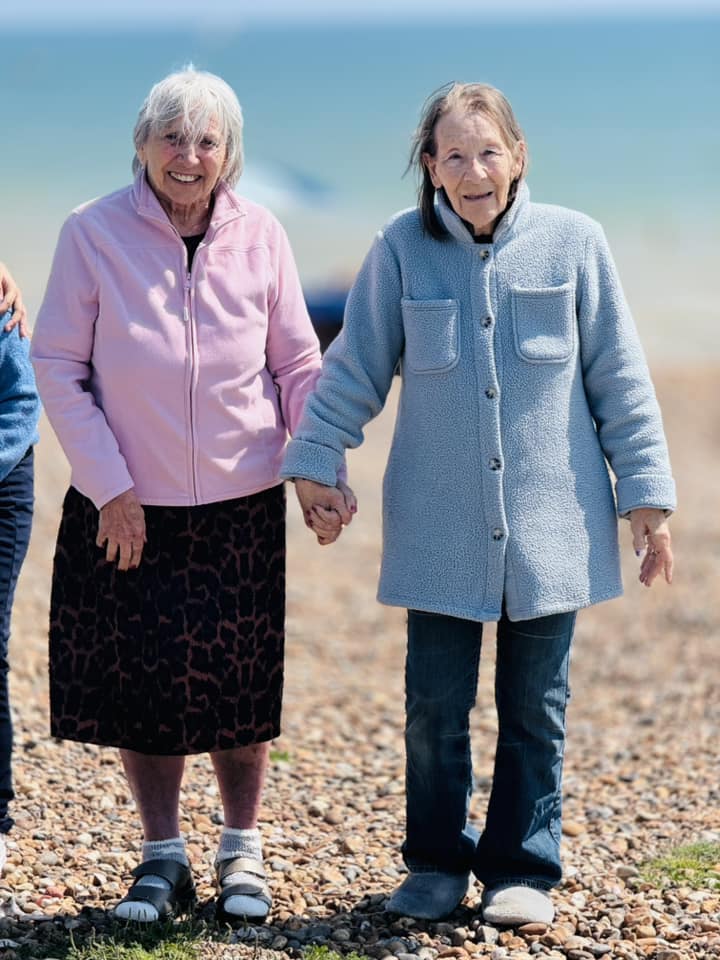
We love taking a stroll along the seafront with residents, or getting out with Pedal People for a cycle. There’s nothing better than a fresh sea breeze to clear the cobwebs and feel rejuvenated.
In addition to the calming effect of nature, spending time with a supportive companion can also be beneficial for patients with dementia. A recent study found that patients who had weekly visits from a trained therapy dog showed improvements in social interaction, communication, and overall quality of life. We love having Pet Pals come to visit. They bring all sorts of animals and the residents really enjoy it! Other research has shown that music therapy can also be beneficial for patients with dementia, providing them with a sense of comfort and companionship during difficult times. We have regular live music in our homes, plus each resident has an Alexa loaded up with their favourite tunes and stories.
– Routine and Structure
Routine and structure are important for all of us, but they can be especially helpful for people with dementia. Having a regular routine can help to minimise confusion and anxiety, and can make everyday activities easier.
Some simple ways to add structure to your loved one’s day include:
– Set regular times for meals, activities, and medications
– Plan short walks or other gentle exercises into the day
– Make sure there is time for relaxing and enjoying favourite activities
A structured environment can also be helpful in minimising confusion and promoting a sense of calm. Cues such as clocks, calendars, and familiar photographs can help orientate a person with dementia and remind them of important events.
Creating a calming environment at home may involve:
– Reducing noise levels by turning off televisions and radios or using noise-cancelling headphones
– Adjusting lighting to reduce glare and shadows
– Adding soft furnishings and personal items to create a more homely feel
How Dementia and Environment are Connected
When it comes to dementia care, providing a stimulating and supportive environment is essential to promoting quality of life. There are many ways to do this, but one of the most important is by creating an environment that is physically and emotionally safe.
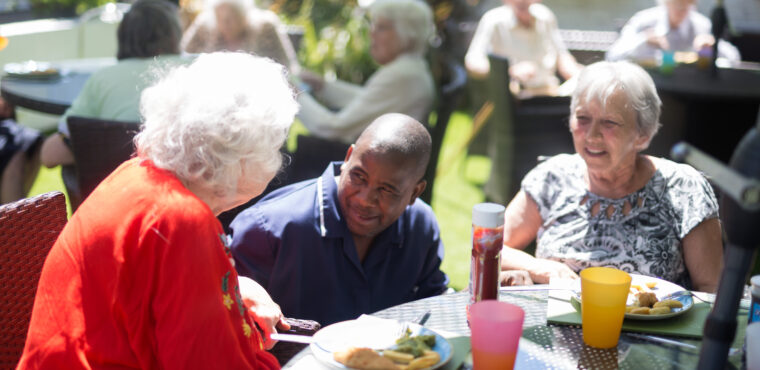
Dementia can be a very isolating illness, so it’s important that care facilities provide opportunities for social interaction. This can be done through group activities, meal times, or simply having common areas where patients can gather. Creating a sense of community can help reduce anxiety and depression, and promote a feeling of belonging. We pride ourselves in the homely feel we create at Fairdene Lodge. Our residents are part of the family and involved in important decisions about the home, meals and entertainment.
It’s also important to provide plenty of cognitive stimulation. This can be in the form of arts and crafts, music therapy, memory games, or anything else that encourages patients to engage their minds. A stimulating environment can help slow the progression of dementia and improve quality of life.
Last but not least, it’s important to make sure the physical environment is safe and comfortable. This means ensuring there are no trip hazards, adequate lighting, and appropriate temperature control. It also means providing furniture that is comfortable and easy to use. All of these factors play a role in reducing falls, which are a leading cause of injury in older adults.
Creating an environment that meets all of these needs can be challenging, but it’s essential for promoting quality of life in dementia patients. By paying attention to these factors, we can make a real difference in the lives of those affected by Dementia.
Conclusion
It’s important to recognise that every person living with dementia is unique and different. That said, creating a therapeutic environment for those diagnosed can have an incredible impact on their quality of life. From changing the lighting in the home to introducing physical activities, there are many environmental factors that can help dementia patients maximise their potential and remain comfortable while coping with this difficult condition.
How to Provide Effective Care at Every Stage of Dementia Progression
Are you caring for a loved one with dementia? Whether your loved one is in the early stages or nearing the end of their journey, it’s important to provide effective care every step of the way. In this blog post, we’ll explore practical tips and strategies for providing quality care at every stage of dementia progression. From communication techniques to coping mechanisms, we’ve got you covered!
As our ageing population grows, so does the number of those affected by dementia. According to the Alzheimer’s Research UK, approximately 944,000 people in the UK are living with Alzheimer’s disease (the most common type of dementia) and that number is estimated to almost triple by 2050.
Dementia is a general term for a decline in mental ability due to disease or injury. Early stages of dementia may include problems with memory, language, and thinking. As the disease progresses, symptoms can become more severe, affecting a person’s ability to perform activities of daily living such as eating and dressing themselves. In the late stages of dementia, individuals may be unable to communicate and may need around-the-clock care.
While there is currently no cure for dementia, there are treatments available that can help manage the symptoms and slow the progression of the disease. It’s important for caregivers to be familiar with these treatments as well as the different stages of dementia so they can provide the best possible care at every stage.
What are the 7 Stages of Dementia?
The 7 stages of dementia are:
Tips for Caregivers in Each Stage
As dementia progresses, the needs of caregivers typically change. Here are some tips for caregivers in each stage of progression:
Early Stages: During the early stages of dementia, it is important to provide support and assistance with activities of daily living, such as bathing, dressing, and eating. It is also important to help the individual maintain social connections and engage in activities that they enjoy.
Middle Stages: Caregivers in the middle stage of dementia may need to provide more hands-on care, such as help with toileting and transfers. They may also need to help the individual manage disruptive behaviours. Additionally, it is important to continue to encourage socialisation and engagement in activities. During these stages it is important as the caregiver you get help and support. You may need home care agencies, respite care or perhaps to think about care home options.
Late Stages: In the late stages of dementia, caregivers typically provide around-the-clock care. This may include help with all activities of daily living, as well as managing behaviours. Additionally, caregivers should focus on providing comfort and ensuring that the individual is safe and comfortable. It is unlikely that an individual will be able to remain in their own home during this stage as they may pose a risk to themselves. Therefore it is key to choose a dementia specialist care home like ourselves to ensure your loved one is safe and comfortable.
Physical Care Provisions
As dementia progresses, it becomes increasingly difficult for patients to perform basic self-care tasks. This is where physical care provisions come in. Physical care providers can help with activities of daily living, such as bathing, dressing, and grooming. They can also provide transportation to and from doctor appointments and other necessary outings.
It is important to choose a physical care provider who is patient and understanding, as well as experienced in working with people with dementia. A good physical care provider will be able to adapt their approach as the disease progression changes, ensuring that the patient always receives the best possible care.
Communicating with a Person with Dementia
It can be difficult to communicate with a person who has dementia, as the disease can cause problems with memory, thinking, and speaking. However, there are some things you can do to make communication easier.
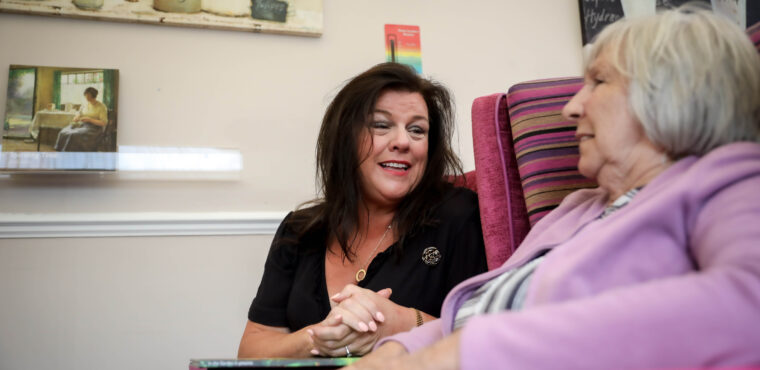
First, it is important to remember that the person with dementia is still a person, and deserves to be treated with respect. Second, try to keep your sentences short and simple. Third, be patient and give the person time to respond. Fourth, avoid arguing or correcting the person. Fifth, use facial expressions and gestures to help communicate. Sixth, try to find common ground by talking about favourite memories or activities. See our previous blog for more tips on communicating with those suffering from dementia.
If you keep these things in mind, communicating with a person with dementia can be much easier and more enjoyable for both of you.
Mental and Emotional Support
Dementia is a progressive disease that can have a profound impact on the mental and emotional well-being of patients and their loved ones. It is important to provide support at every stage of the disease to help improve quality of life for all involved.
The early stages of dementia can be difficult as patients begin to experience memory loss and other cognitive changes. They may become withdrawn or depressed, and caregivers may feel overwhelmed or stressed. It is important to provide emotional support to both patients and caregivers during this time. Patients may benefit from therapy or support groups, and caregivers should seek out respite care or other forms of support when needed.
As dementia progresses, patients may become increasingly confused and agitated. They may suffer from hallucinations or delusions, and their behaviour may become disruptive. Caregivers often find this stage of the disease to be the most challenging, as they deal with constant stress and sleep deprivation. It is important to seek professional help if you are struggling to cope. There are many resources available to help you manage your own mental health while caring for a loved one with dementia.
The final stage of dementia is characterised by declining physical health. Patients may lose the ability to communicate or move independently. They will require full-time care, and caregiver burnout becomes a serious concern. This stage can be very difficult emotionally, but it is important to remember that your loved one is still the same person, despite the changes in their condition.
Importance of Self Care and Coping Strategies for Caregivers
As a caregiver, it is important to take care of yourself both physically and emotionally. When you are feeling your best, you will be able to provide the best possible care for your loved one.
There are a few self-care practices that can help you cope with the demands of caregiving:
Get enough sleep: Caregiving can be stressful and tiring. Make sure to get enough rest so that you can be alert and attentive when caring for your loved one.
Eat a healthy diet: Eating nutritious foods will help you maintain your energy levels and cope with stress.
Exercise regularly: Exercise can help improve your mood and reduce stress. It is also important to stay physically active to avoid fatigue.
Take breaks: Breaks allow you to recharge and come back refreshed. If possible, ask other family members or friends to take over caregiving duties for a few hours so that you can have some time for yourself. Additionally, there are respite care services available in many communities that can provide temporary relief for caregivers.
Managing Challenging Situations
In every stage of dementia progression, there will be challenging situations to manage. It is important to be prepared for these moments and to have a plan in place. Here are some tips on how to effectively manage challenging situations:
– Understand the person’s triggers: What sets off the person with dementia? Is it a certain noise, place, or activity? Once you know the triggers, you can avoid them or prepare for them.
– Be patient and calm: This can be difficult, especially when the person is agitated or upset. Try to remain calm and patient, which will help diffusing the situation.
– Use short, simple phrases: When communicating with someone with dementia, use short, simple phrases. This will help them understand what you’re saying and prevent frustration on both ends.
– Give them time to respond: Don’t rush the person with dementia. They may need extra time to process information and formulate a response.
– Avoid arguing: Arguing will only escalate the situation and make things worse. Instead, try to redirect the conversation or change the subject altogether.
Conclusion
Caring for a loved one with dementia can be incredibly difficult, but by understanding each stage of the disease progression and finding practical strategies to minimise distress and increase comfort, we can provide quality care for our ageing family members. Try to stay educated about Alzheimer’s research and current treatments available, as well as communicate regularly with your loved one’s care providers. With patience, support, and dedication you will be able to ensure that your family member receives quality care at every stage of dementia progression.

Easter is nearly here (although you wouldn’t know it looking out the window at the wintery weather!). We are looking forward to an egg-citing (sorry) few weeks of Easter activities here at Fairdene Lodge.
We are very proud of our entertainment and activity programme, we cater for each resident as an individual and plan activities that they have asked for or that their families think they will enjoy.
This Easter we have a fabulous selection of activities for the residents to choose from including Easter Bingo, trips to the garden centre and a visit from our friends at the nursery. We hope to see lots of friends and families at our Easter party!
