Contact Us

14-16 Walsingham RoadHove, BN3 4FF

Telephone01273 735221

Christmas 2024 at Fairdene Lodge

By 6th December, 2024 Events Comments Off

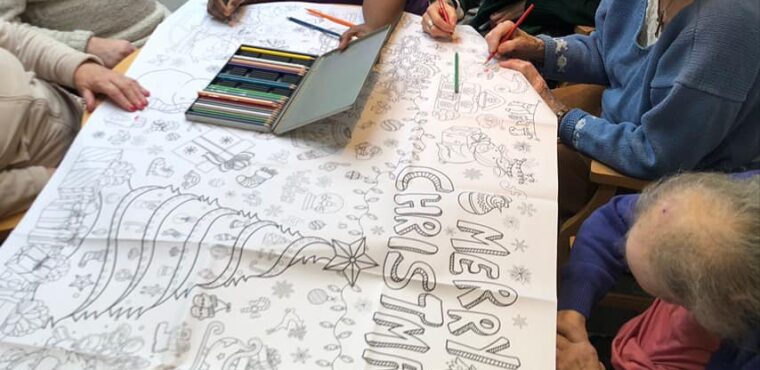
Christmas is in full swing, and we have created our own advent calendar of fun. This first week we have enjoyed the start of our craft club, decorating tablecloths, making bunting and wreaths, with Christmas tunes in the background! Over the weekend we are looking forward to singing Christmas carols and watching Christmas movies with popcorn.

Next week our festive craft club continues, there will be lots more music and singing and ending the week with the highly anticipated Christmas Party. Here you can see our full Advent Calendar of fun:


A Joyful Day Out with Pedal People 

By 6th December, 2024 Events Comments Off

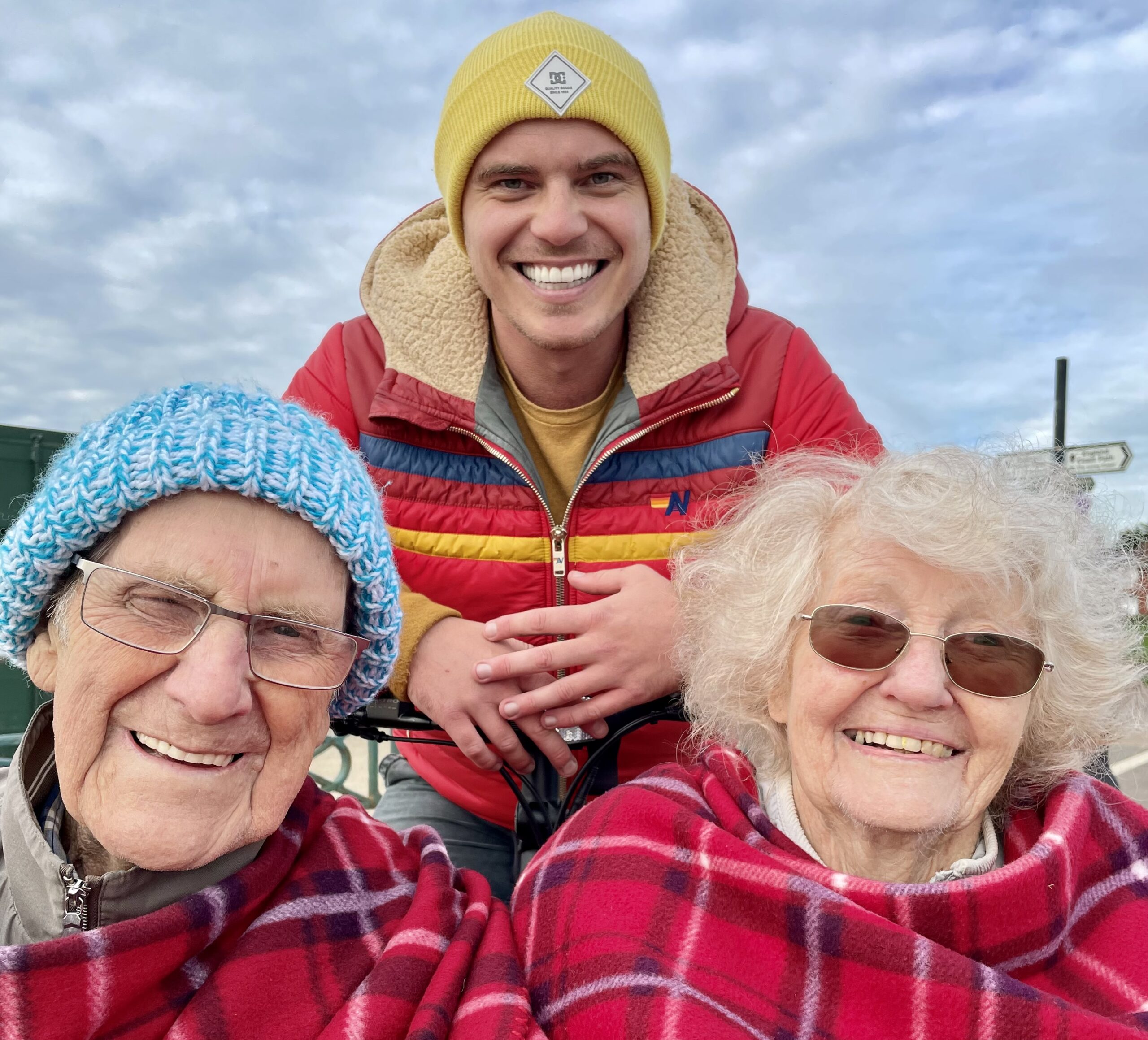
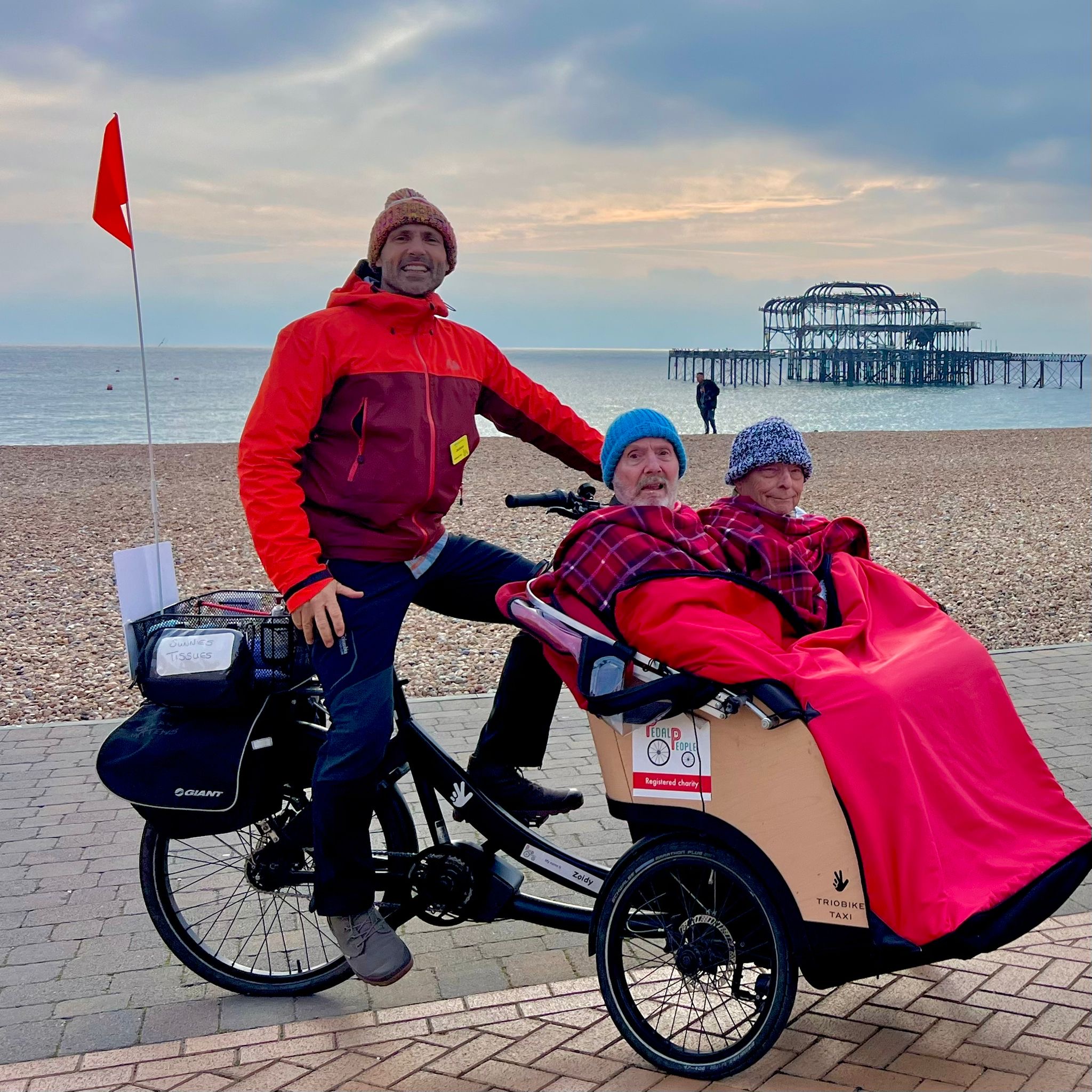
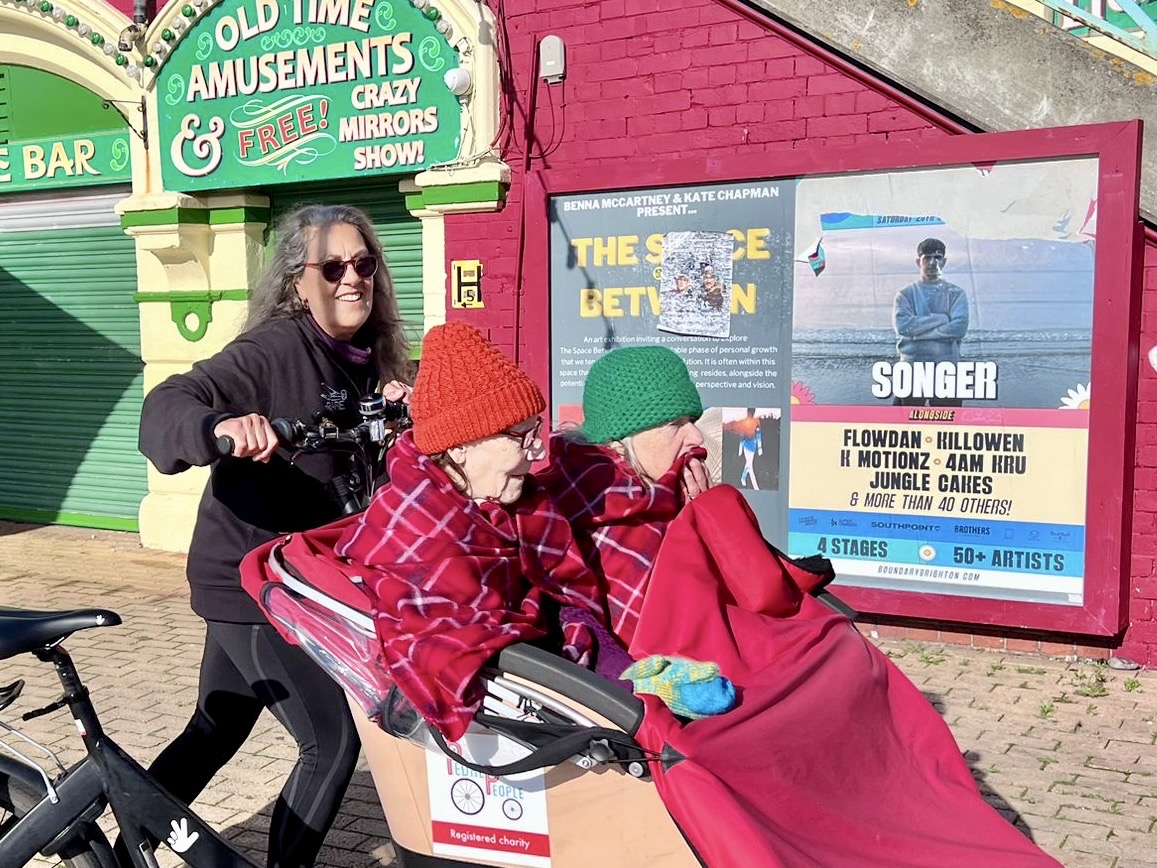
At Fairdene Lodge, we love to embrace every opportunity to get out into the fresh air and connect with our wonderful local community. Recently, some of our residents joined the fantastic Pedal People team for an outing that brought smiles, laughter, a bit of a sing-song and a furry new friend! 

Taking to the Open Road

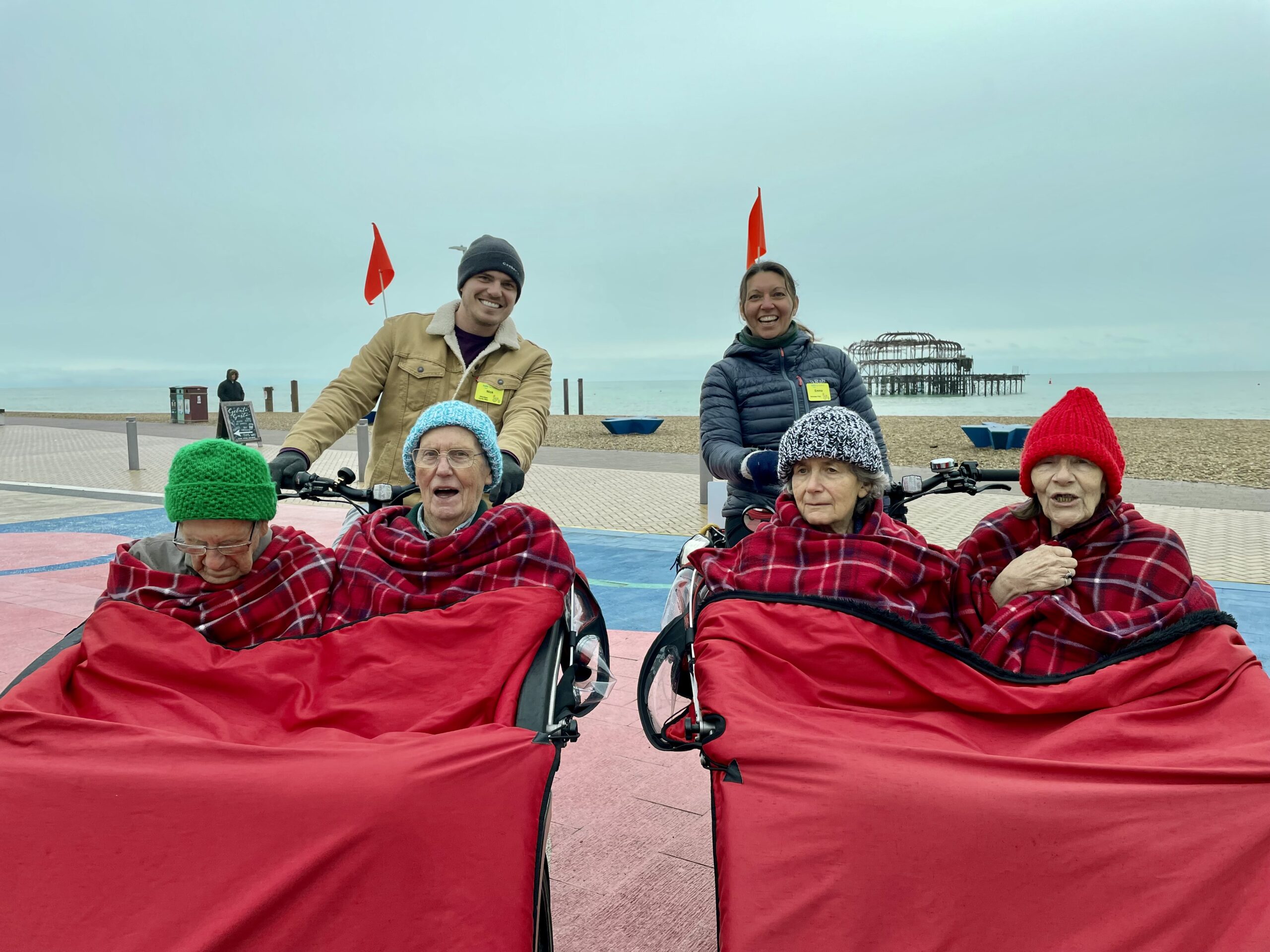
Pedal People is a brilliant initiative that combines the simple joy of cycling with the opportunity to explore the great outdoors. The specially designed trishaws are piloted by volunteers, making it possible for everyone, no matter their mobility, to feel the wind on their face and enjoy the scenery. 

On this particular day, the weather was perfect — crisp and sunny. Residents were warmly bundled up as the trishaws set off for the seafront. 

A Four-Legged Surprise 

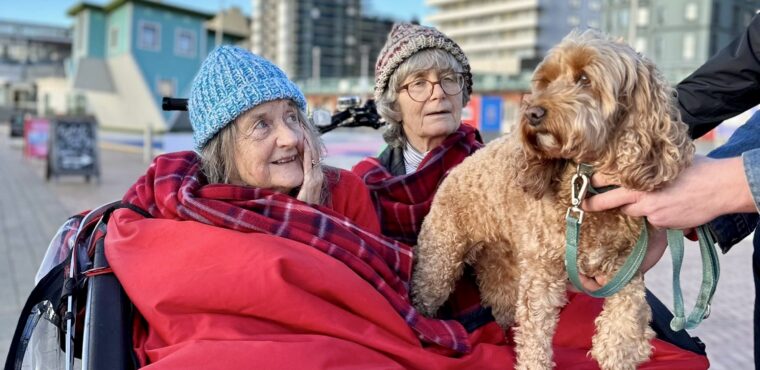
As we pedalled along, laughter filled the air, and conversation flowed freely. Then, just as we rounded a corner, we were greeted by an unexpected delight: a cute dog, tail wagging furiously. 

The dog’s owner, a kind local, stopped to chat, and their furry companion seemed just as eager to make new friends. Our residents’ faces lit up as the pup sniffed curiously at the trishaws, its soft golden fur soaking up plenty of affectionate pats and scratches. 

The Power of Connection

This lovely moment with our four-legged friend reminded us of the joy that comes from simple, heartfelt connections — whether with nature, animals, or people. The outing wasn’t just about the journey but the memories made along the way. 


Coming Home with Full Hearts

As the trishaws turned back towards Fairdene Lodge, everyone agreed that the day had been a resounding success. The combination of fresh air, great company, and an unexpected paw-some encounter left us all feeling uplifted. 

At Fairdene Lodge, we’re always looking for ways to create moments like these — moments that brighten the day and remind us of the beauty in the everyday. Thank you to Pedal People for making this day so special, and to our new furry friend for bringing extra joy to the journey! 


The Healing Power of Music: How It Supports People with Dementia

By 27th November, 2024 Care, Care Home, Dementia, Events Comments Off

Music has the extraordinary ability to move us, transport us to distant memories, and evoke deep emotions. For people living with dementia, music can be even more powerful—it can act as a bridge to the past, improve cognitive function, and uplift their spirits. At Fairdene Lodge, we’ve seen firsthand how music can transform the lives of our residents, helping them find joy and connection in a world that often feels unfamiliar.


Why Music Matters for People with Dementia


Dementia is a complex condition that affects memory, thinking, and behaviour. As dementia progresses, communication and memory become increasingly difficult. Yet, even as verbal skills decline, the ability to engage with music often remains. The areas of the brain associated with music are some of the last to be affected by dementia, which is why music can be such a powerful tool for those living with the condition.


Here are some of the remarkable ways music can benefit people with dementia:


  1. Awakening Memories and Emotions

One of the most well-documented effects of music on people with dementia is its ability to trigger long-forgotten memories. Familiar songs from childhood or early adulthood can evoke vivid recollections and emotions, helping residents remember moments they may have lost. This can lead to beautiful and meaningful interactions between residents and their loved ones, as they recall and share stories from the past.


  1. Reducing Anxiety and Agitation

Dementia can sometimes cause feelings of anxiety, confusion, or agitation. Music, especially calming and familiar melodies, has a soothing effect on the mind and body. Playing a favourite song or piece of classical music can help reduce stress levels, promoting relaxation and a sense of well-being. This can be particularly helpful during moments of distress or transition, such as during mealtimes or before bed.


  1. Improving Mood and Enhancing Engagement

Music has a unique way of lifting the spirit. Upbeat and joyful songs can energize residents, encouraging them to clap along, tap their feet, or even dance. Group sing-alongs can also create a sense of community, giving residents (and staff!) an opportunity to connect with each other in a joyful, shared experience.


  1. Promoting Physical Movement and Coordination

When people with dementia engage with music, it often encourages them to move. Whether it’s swaying gently to a ballad, clapping to the rhythm, or participating in a dance session, these activities promote physical health and coordination. Music therapy sessions that include simple movements can be a fun way for residents to stay active and engaged, even if mobility is limited.


  1. Facilitating Communication

For many people with dementia, expressing thoughts and feelings verbally can be difficult. Music provides a non-verbal way to communicate and express emotions. Residents may find it easier to express themselves through song or by playing simple instruments. Music can also create opportunities for loved ones and caregivers to connect, even when words are hard to come by.


How We Incorporate Music Therapy at Our Care Home


Understanding the power of music, we have made it a central part of our entertainment, activities and therapy sessions. Here are some of the ways we use music to enhance the well-being of our residents:


– Personalised Playlists: We work with families to create playlists of songs that are meaningful to each resident. Each resident has their own Alexa in their room. These personalised playlists are used during one-to-one sessions or quiet times to provide comfort and a sense of familiarity.

– Group Sing-Alongs: Our group singing sessions bring residents together to enjoy the classics, nursery rhymes, or old-time favourites. These activities not only foster social connection but also spark joy and laughter.

– Live Music and Performances: We invite local musicians to perform at our care home, bringing live music experiences to our residents. These performances create a lively atmosphere and give everyone something to look forward to.

– Musical Instruments: Simple instruments like tambourines, maracas, or hand drums are used in sessions to encourage active participation. Residents often enjoy the tactile experience of making music themselves.


The Role of Family and Caregivers


Family members can also use music to connect with their loved ones with dementia. Even something as simple as singing a familiar lullaby or listening to a favourite album together can strengthen the bond between you. At our care home, we encourage families to share the music their loved one enjoys, so we can incorporate it into our care plans.


Music: A Source of Joy and Comfort


Music has the remarkable power to reach beyond the limitations of dementia and touch the hearts and minds of those living with it. In our care home, we’ve seen how a simple melody can bring comfort, rekindle precious memories, and create moments of happiness. We’re proud to use music as a way to enrich the lives of our residents and make every day a little brighter.

*For more information or to schedule a visit, please contact us. We look forward to sharing the joy of music with your loved one.*

July’s Events won’t disappoint… unlike the weather

By 9th July, 2024 Care Home, Events Comments Off

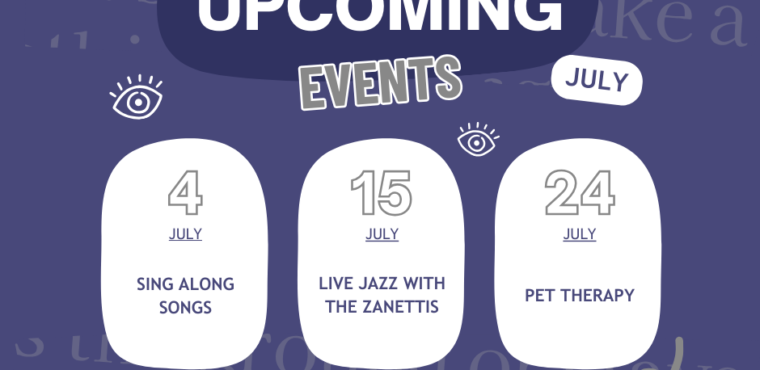
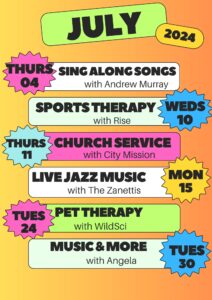
July is set to be fun at Fairdene… the weather might be disappointing, but our entertainment programme certainly won’t disappoint.

Care home hove

Starting the month with singing and sports, mixed in with watching the all important Euros.

Monday 15 we are looking forward to welcoming The Zanettis for some much loved live jazz music. Towards the end of the month we will be joined by some of our favourite furry friends with WildSci.

Care home pet therapyAngela will round off the month with music and more. Look out for our posts to see us enjoying all the activities.
Excited for a fun packed June!

By 4th June, 2024 Care Home, Events Comments Off

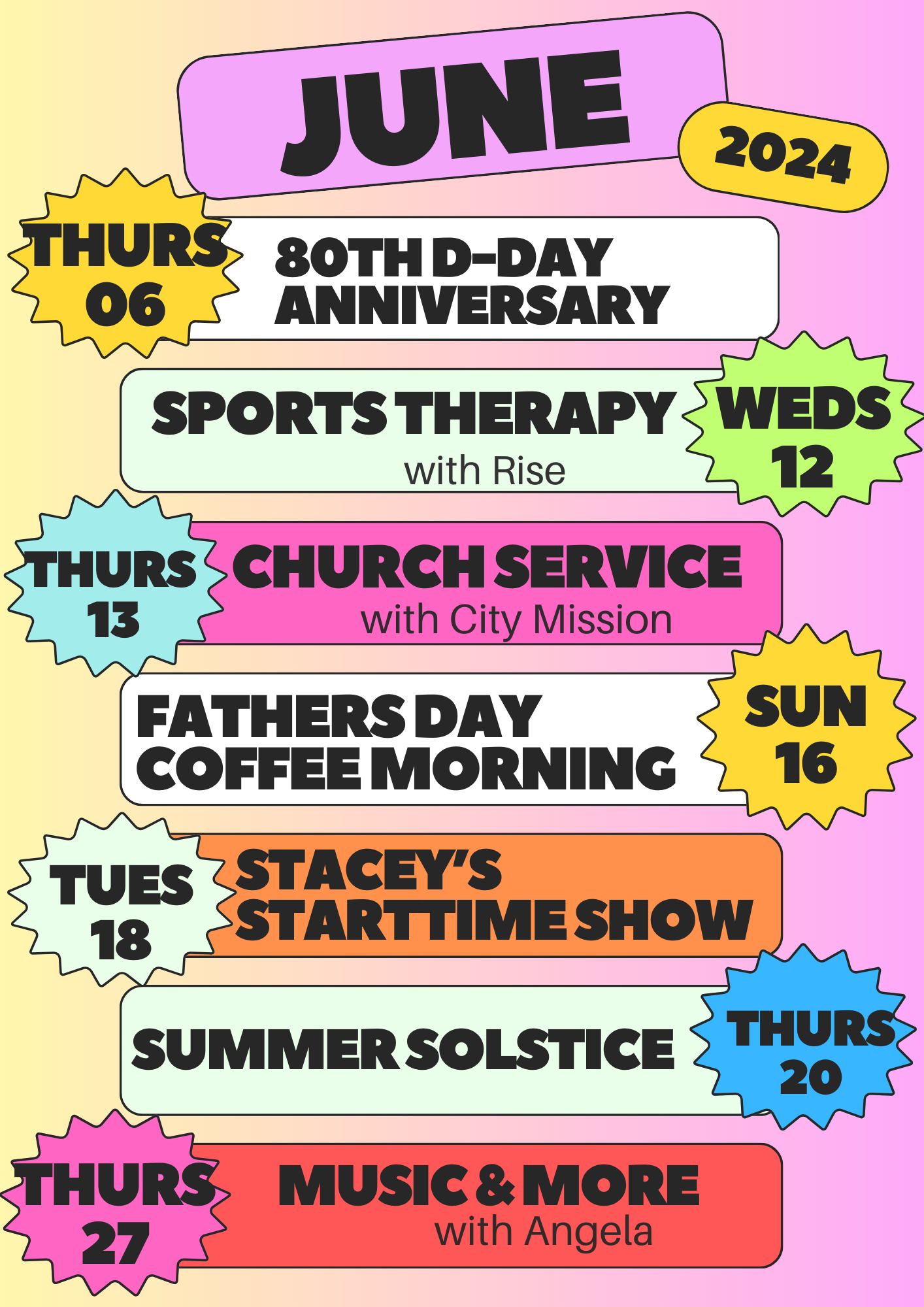
We are looking forward to a fun packed June, kicking off with a fabulous afternoon of entertainment to celebrate the 80th D-Day Anniversary. Our residents have already started getting in the spirit colouring in the flags to decorate our home.


The month continues with sports, music, prayer, and so much more. We are hoping to finally see some better weather so we can spend more time in the garden and get down to the beach for some sea air!


We couldn’t forget Father’s Day where we look forward to welcoming in family and friends for coffee and treats! We always look forward to treat time at Fairdene!

A busy February for our residents!

By 17th March, 2024 Care Home, Events Comments Off

February was a busy month for our residents, with a fun-filled entertainment programme. We started with our monthly Church Service where our residents can join in a regular church celebration with our local church if they wish.

Then it was pancake day and we were delighted to be joined by our local nursery for a very special breakfast. The children and residents had a lovely morning chatting and enjoying tasty pancakes from our in-house chef Indra.

care home activities

Pancake Day was followed swiftly by Valentine’s Day where residents enjoyed some ball games!! Rise join us each month to help keep our residents active and this month their visit just happened to coincide with Valentine’s Day!

sports therapy care homeAfter all that activity we very much enjoyed our Valentine’s Afternoon tea, lovingly prepared by Indra.

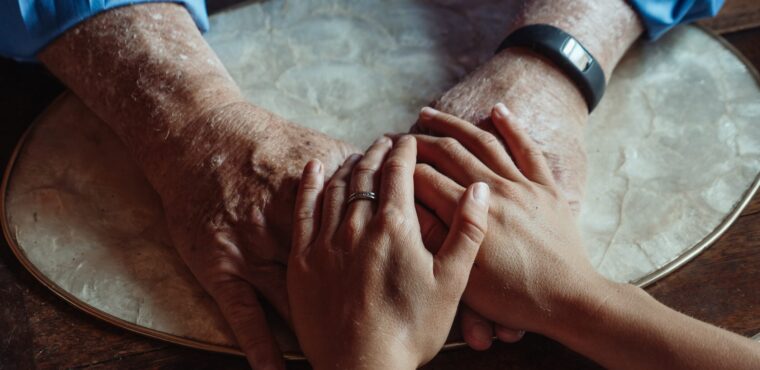
We then enjoyed music therapy. Music is such a lovely way to bring back memories and reminisce about times gone by. We love filling our home with music and dancing!

We finished the month off with pet therapy. The residents love when the animals come to visit, and enjoyed meeting some new furry friends!

Pet therapy care home

Breaking Down the Numbers: Examining Why Dementia Cases are Expected to Double by 2040

By 11th February, 2024 Dementia Comments Off

Imagine a world where memories fade like shadows, identities dissolve into thin air, and loved ones become strangers. This is the haunting reality of dementia – an insidious condition that relentlessly steals away our most cherished moments. And as the clock ticks towards 2040, a chilling forecast looms over us: the number of dementia cases is expected to double. Brace yourself for an eye-opening exploration as we unveil the factors driving this alarming surge in dementia cases and discover potential solutions to stem this heart-wrenching tide.


Dementia is a broad term used to describe a range of symptoms that affect memory, thinking, and social abilities. It is a progressive condition that can greatly impact an individual’s daily life and their ability to carry out simple tasks. As the population continues to age, the number of people living with dementia is expected to rise significantly.


According to recent studies and projections by the World Health Organization (WHO), it is estimated that 50 million people worldwide currently live with dementia. This number is expected to double by 2040, reaching a staggering 100 million individuals. This predicted increase in dementia cases has raised concerns among healthcare professionals and researchers alike.


One of the main reasons for this significant rise in dementia cases is due to our aging global population. As medical advancements continue to improve, people are living longer than ever before. By 2050, it is projected that one-fifth of the world’s population will be over the age of 60, compared to one-tenth in 2011. With increasing age comes an increased risk of developing dementia – approximately one in three people over the age of 85 have some form of dementia.


Another factor contributing to the rise in dementia cases is lifestyle changes. Our modern way of living has led to an increase in conditions such as obesity, diabetes, and high blood pressure – all known risk factors for developing dementia. Additionally, sedentary lifestyles and poor diets can also contribute to cognitive decline.


While age is considered the biggest risk factor for developing dementia, there are several other factors that contribute to this alarming trend.


  1. Aging Population:


As mentioned earlier, increasing age is the most significant risk factor for dementia. With advancements in healthcare and technology, people are now living longer lives than ever before. The World Health Organization (WHO) estimates that the global population aged 60 years and above will reach 2 billion by 2050, up from approximately 900 million in 2015. This unprecedented growth in the aging population means that more people are at risk of developing dementia as they age.


  1. Lifestyle Factors:


Several lifestyle factors have been linked to an increased risk of developing dementia. These include smoking, excessive alcohol consumption, poor diet, lack of physical exercise, and obesity. Studies have shown that individuals who engage in unhealthy behaviours such as smoking and excessive drinking have a higher likelihood of developing cognitive impairments later in life.


Moreover, following an unhealthy diet or not engaging in regular physical activity can lead to conditions like diabetes and heart disease – both known contributors to cognitive decline and dementia.


  1. Genetic Predisposition:


While not everyone with a family history of dementia will develop the condition themselves, genetics plays a crucial role in determining an individual’s susceptibility.


Lifestyle choices that can increase the risk of developing dementia.


While there are many factors that contribute to the development of dementia, lifestyle choices play a significant role. In this section, we will explore some of the lifestyle choices that can increase the risk of developing dementia.


  1. Sedentary Lifestyle:


Leading a sedentary lifestyle, characterised by little or no physical activity, has been linked to an increased risk of developing dementia. Regular exercise helps improve blood flow to the brain, which is essential for maintaining healthy brain function. It also stimulates the production of new nerve cells and promotes neural connections vital for memory and learning.


  1. Unhealthy Diet:


Eating an unhealthy diet high in processed foods, saturated fats, and refined sugars can have detrimental effects on both our physical and mental health. These types of food not only increase cholesterol levels but also lead to inflammation in the body, including the brain. Studies have shown that inflammation in the brain can damage neurons and contribute to cognitive decline.


  1. Smoking:


Smoking is known to be harmful to overall health, but it may also increase the risk of developing dementia. The toxic chemicals in cigarette smoke can damage blood vessels and reduce oxygen supply to the brain, leading to cognitive impairment over time.


  1. Excessive Alcohol Consumption:


Excessive alcohol consumption has been linked to an increased risk of cognitive decline and dementia. Long-term heavy drinking damages brain cells and disrupts communication between neurons. This leads to memory loss, confusion, and other cognitive impairments.


  1. Lack of Mental Stimulation:


Engaging in mentally stimulating activities, such as reading, puzzles, or learning a new skill, is crucial for maintaining brain health. Not challenging our brains can lead to a decline in cognitive function and increase the risk of dementia.


  1. Chronic Stress:


Chronic stress has been linked to an increased risk of developing dementia. Prolonged exposure to stress hormones can damage brain cells and impair memory and other cognitive functions.


  1. Sleep Deprivation:


Getting enough restorative sleep is essential for both physical and mental health. During sleep, the brain flushes out toxins accumulated during the day and consolidates memories. Chronic sleep deprivation has been linked to an increased risk of developing dementia later in life.


  1. Head Injuries:


Repeated head injuries have been associated with an increased risk of developing dementia later in life. It is essential to take precautions to prevent head injuries, especially in high-risk activities like sports or occupations that involve repetitive head trauma.


In conclusion, making healthy lifestyle choices can significantly reduce the risk of developing dementia. It is never too late to adopt healthy habits that can improve overall well-being and protect against this debilitating condition.


Strategies for reducing the risk of developing dementia.


  1. Maintain a Healthy Diet: A balanced and nutritious diet plays a significant role in reducing the risk of various health conditions, including dementia. Following a Mediterranean-style diet rich in fruits, vegetables, whole grains, fish, and healthy fats has shown promising results in lowering the risk of cognitive decline. Additionally, limiting the intake of processed foods, saturated fats, and refined sugars can also have positive impacts on brain health.


  1. Stay Physically Active: Regular physical exercise not only keeps our bodies fit but also has several benefits for our brains. It helps improve blood flow to the brain and promotes the release of chemicals that aid in improving memory and cognitive function. Studies have shown that engaging in moderate-intensity exercises like walking or cycling for at least 30 minutes per day can significantly reduce the risk of developing dementia.


  1. Challenge Your Brain: Keeping your brain active by regularly challenging yourself mentally can help build cognitive reserve – which refers to your ability to withstand neurological damage due to aging or other factors without experiencing noticeable symptoms. Engaging in mentally stimulating activities such as reading, puzzles, learning new skills or languages can help build new neural connections and prevent cognitive decline.


  1. Maintain Social Connections: Loneliness and social isolation have been linked to an increased risk of developing dementia later in life.


One crucial aspect of managing dementia is early detection and diagnosis. Detecting dementia early on can greatly benefit both the individual affected by it and their loved ones. It allows for timely interventions and appropriate management strategies to be put in place, which can improve quality of life and slow down disease progression.